Discovering Similar Brands in the Market can be alarming for any business, especially when significant investment has already been made in branding, marketing, and customer acquisition. These situations often raise concerns about potential trademark conflicts, brand dilution, and consumer confusion. In many cases, businesses are unsure whether the similarity is legally actionable or simply coincidental.
Understanding how to respond to Similar Brands in the Market is essential for protecting brand identity and avoiding long term legal and commercial damage. A structured approach helps companies assess risk, evaluate legal options, and take timely action before the situation escalates into a full trademark dispute.
Similar Brands in the Market and Why They Require Immediate Attention
Similar Brands in the Market refer to businesses operating under names, logos, or branding elements that closely resemble an existing brand. This similarity may involve spelling, pronunciation, visual identity, or overall brand concept. Not every similarity leads to infringement. However, when consumer confusion is likely, legal risks increase significantly. The key concern is whether an average customer could mistakenly associate one brand with another. For companies, early recognition and response are critical. Delayed action may weaken legal standing and allow the similar brand to establish market presence.
First Step: Assess the Level of Brand Similarity
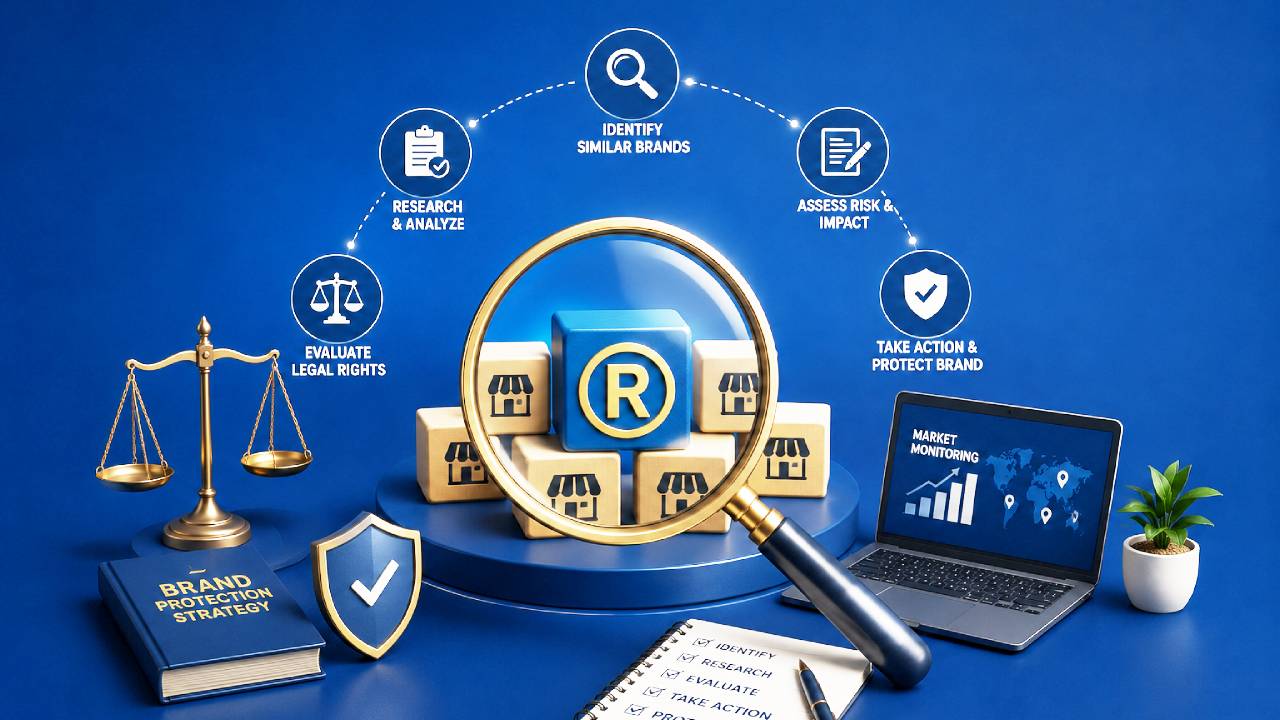
When a company identifies a potentially similar brand, the first step is to evaluate the degree of similarity. This includes comparing names, logos, colour schemes, and overall presentation. Legal risk increases when similarity affects consumer perception. Even partial resemblance in high traffic markets can create confusion, especially in digital environments. This assessment should also consider industry overlap. Two similar names in unrelated sectors may carry lower risk compared to direct competitors operating in the same category.
Evaluate Trademark Registration Status
After identifying similarity, companies must check whether the other brand has secured trademark registration. Registration status plays a major role in determining legal rights. If the similar brand is registered in relevant classes or jurisdictions, the situation becomes more complex. If not, there may still be grounds for opposition or passing off claims depending on prior use. This step helps businesses understand whether the issue is a potential infringement, an administrative overlap, or a commercial coincidence.
Gather Evidence of Prior Use and Market Presence
Establishing prior use is essential in many jurisdictions. Companies should document when their brand was first used in commerce, including marketing materials, packaging, and online presence. Evidence of continuous use strengthens legal position. It demonstrates ownership and helps establish goodwill associated with the brand. Similarly, understanding the market presence of the similar brand helps determine whether actual confusion is occurring among consumers.
Monitor Consumer Confusion Signals
Consumer confusion is a key indicator of trademark conflict. Companies should pay attention to customer complaints, social media mentions, and online reviews. When customers mistakenly associate two brands, it signals potential legal risk. Even isolated incidents may escalate if not addressed promptly. Monitoring these signals helps businesses assess the real world impact of similarity and decide on appropriate action.
Understand Jurisdictional Differences in Trademark Law
Trademark protection varies across countries. Some jurisdictions prioritise first registration, while others consider commercial use as a key factor. When dealing with Similar Brands in the Market, companies must evaluate where the similarity exists geographically. A brand may be protected in one country but not in another. This jurisdictional analysis helps determine whether legal action is viable or whether strategic negotiation is more appropriate.
Consider Immediate Brand Protection Measures
If risk is high, companies may need to strengthen their own trademark protection. This includes filing additional applications, expanding protection across relevant classes, and securing international registrations. Taking proactive steps ensures stronger legal standing in case of dispute. It also prevents further dilution of brand identity in competitive markets. Timely protection reduces vulnerability and improves negotiation leverage.
Evaluate Commercial Impact Before Taking Action
Not every similarity requires immediate legal escalation. Companies should assess commercial impact before deciding on enforcement. If the similar brand operates in a different region or has minimal market presence, the risk may be low. However, if both brands target the same audience, action may be necessary. This evaluation helps balance legal protection with business priorities and cost considerations.
Explore Early Resolution Options
In many cases, disputes can be resolved without litigation. Companies may consider negotiation, coexistence agreements, or rebranding discussions depending on the situation. Early resolution often saves time, reduces cost, and avoids reputational damage. It also helps maintain professional relationships within the industry. However, resolution strategies must be carefully structured to avoid weakening long term trademark rights.
Monitor Digital and Online Usage Closely
Digital platforms often amplify similarity issues. Similar brand names on websites, marketplaces, or social media can create immediate confusion. Companies should monitor domain registrations, online listings, and advertising channels. Unauthorized use in digital spaces can spread quickly and affect brand reputation. Early detection in online environments allows faster intervention and reduces long term damage.
Strengthen Long Term Brand Protection Strategy
Once a similarity issue is identified, companies should review their overall brand protection strategy. This includes trademark portfolio strength, coverage gaps, and enforcement mechanisms. A strong protection strategy reduces the likelihood of future conflicts and ensures consistent brand identity across markets. It also helps businesses respond more effectively when new similarity issues arise.
Legal Support in Handling Similar Brand Conflicts
Professional legal support is essential when evaluating and responding to Similar Brands in the Market. Trademark laws are complex, and outcomes depend on multiple legal and factual factors. Engaging trademark filing and registration lawyers helps companies assess infringement risk, manage filings, and develop enforcement strategies based on jurisdiction specific rules. Legal professionals also assist in negotiation and dispute resolution, ensuring businesses maintain strong legal positioning throughout the process.
Strategic Role of Intellectual Property Expertise
Long term brand protection requires continuous legal oversight and strategic planning. Companies operating in competitive markets benefit from expert guidance in managing intellectual property portfolios. Working with an intellectual property lawyer in India helps businesses evaluate risks, respond to similarity issues, and maintain compliance across jurisdictions. This support ensures consistent protection and reduces exposure to future conflicts.
Conclusion
Discovering Similar Brands in the Market requires careful evaluation, structured decision making, and timely legal response. While not every similarity leads to infringement, the risk of consumer confusion and brand dilution must always be assessed seriously. Companies should focus on evidence gathering, legal review, commercial impact analysis, and strategic protection. Early action often prevents escalation and preserves long term brand value. A proactive approach to brand monitoring and protection ensures businesses remain competitive, legally secure, and well positioned in evolving markets.