
Contract Solutions

STRATERGIZE. OPTIMIZE. ACTUALIZE. CONTRACTING MADE EASY– MANAGE & CONTROL YOUR DOCUMENTS FROM ANYWHERE AND ANYTIME.

About 80 – 90% of document bulk comprises of contracts made with customers, vendors, partners, or employees at every stage of the business cycle. Without a proper system or management process it can make tracking, storing, renewal and execution a mammoth and a challenging task.

WHAT IS CONTRACT MANAGEMENT?

It is the process of digitally managing agreements and contracts at every stage of document lifecycle. It will enable you to have all your contracts in one place which can be accessed from anywhere. With our innovative digitization, you will get automatically notified of key dates and tasks, the stage of the contract, parties involved and help you uncover insights about the financial and compliance health.

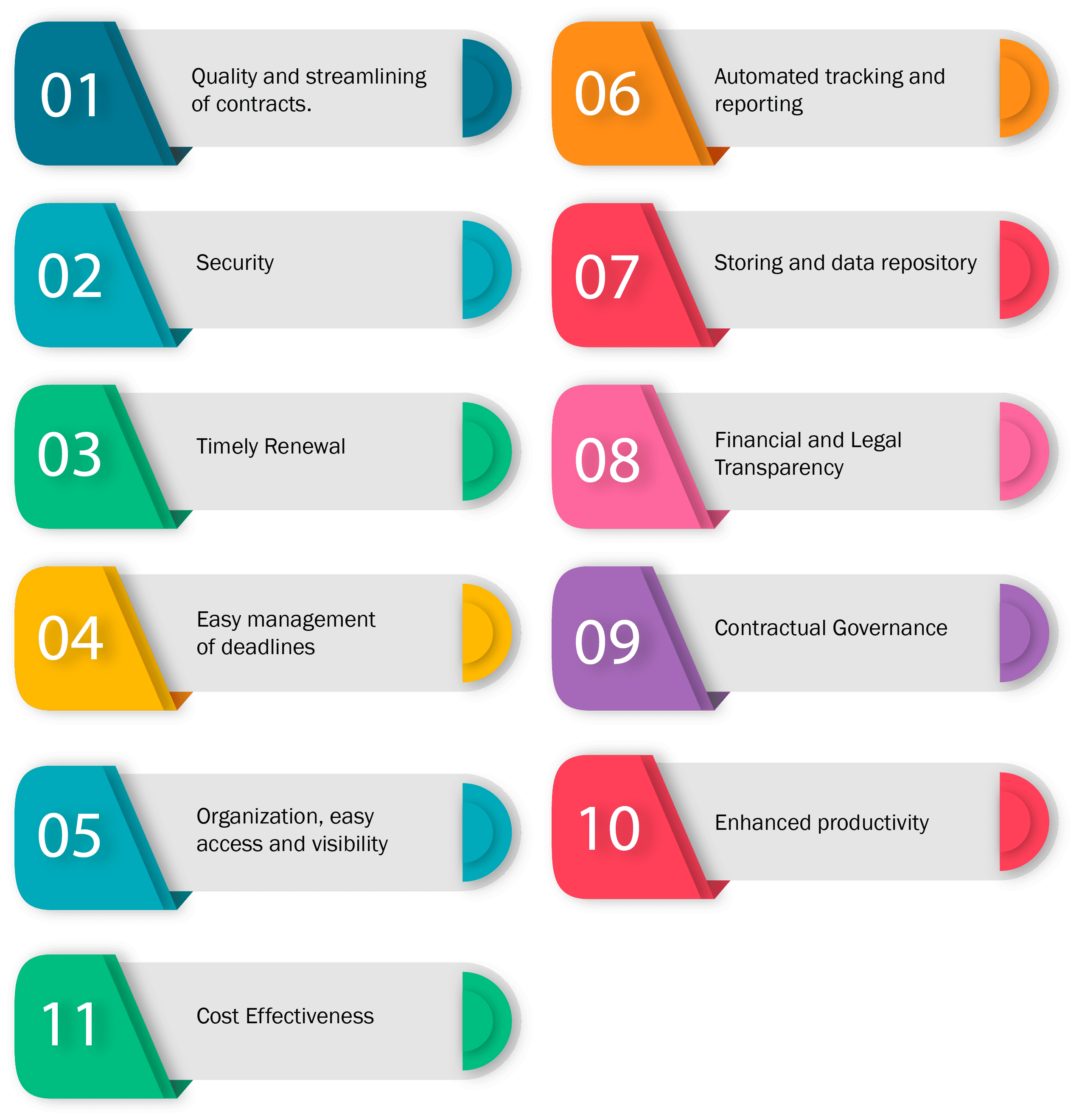
The automation of managing contracts will warrant –
Poshchecklist ARE YOU READY TO TAKE CONTROL AND SAFEGUARD YOURSELF AGAINST COMPLIANCE FAILURE, POOR REPORTING, MISSED DEADLINES & UNNECESSARY COSTS ?
  • Disorganized and inconsistent contract management results in loss of vital information leading to devastating financial loss.
  • Your time spent on searching for templates, terms and conditions, clauses, and definitions, decreases your productivity and leads to legal delays.
  • Missing deadlines and obligations would set you back big time damaging your goodwill and reputation.

Frequently Asked Questions (FAQs)

1. What is a legal contract, and why is it important?

A legal contract is a legally enforceable agreement that defines the rights, responsibilities, and obligations of the parties involved. A well drafted contract helps reduce misunderstandings, manages business risks, and provides a structured framework for resolving disputes in accordance with the applicable laws.

Businesses commonly require employment contracts, service agreements, vendor agreements, non disclosure agreements, partnership agreements, shareholder agreements, lease agreements, licensing agreements, and customer contracts. The appropriate contract depends on the business relationship, commercial objectives, and the applicable legal and regulatory requirements.

Professional contract drafting helps ensure that the agreement reflects the parties’ specific commercial arrangements and complies with applicable legal requirements. Generic templates may not address business specific risks, industry practices, or important contractual terms, potentially leading to disputes or unenforceable provisions.

Contract drafting generally requires details of the parties, the scope of work or transaction, payment terms, obligations, timelines, confidentiality requirements, termination provisions, dispute resolution mechanisms, and any other commercial terms agreed upon. The required information depends on the nature of the agreement.

Yes. Reviewing a contract before signing helps identify unclear clauses, legal risks, inconsistent obligations, and provisions that may require negotiation. A careful review allows parties to better understand their contractual responsibilities and make informed decisions before entering into a legally binding agreement.

Businesses can reduce contractual disputes by ensuring contracts contain clear obligations, defined deliverables, payment terms, timelines, confidentiality provisions, and dispute resolution clauses. Regularly reviewing agreements and maintaining accurate documentation also supports effective contract management and reduces misunderstandings between the parties.

Essential contract clauses generally include identification of the parties, scope of services, payment terms, performance obligations, confidentiality, intellectual property rights where applicable, termination conditions, governing law, and dispute resolution provisions. The exact clauses depend on the specific transaction and legal requirements.

Yes. A contract may generally be amended if all parties mutually agree to the proposed changes. Amendments should be properly documented in writing and executed in accordance with the terms of the original agreement and the applicable legal requirements to avoid future disputes.

If a party breaches a contract, the available remedies depend on the terms of the agreement and the applicable law. The affected party may have contractual or legal rights, which vary according to the nature of the breach, the contractual provisions, and the surrounding circumstances.

Yes. Electronic contracts and digital signatures may be legally recognised in many situations, provided they comply with the applicable laws governing electronic transactions. The legal validity of electronic agreements may vary depending on the type of contract and the relevant jurisdiction.

Common mistakes include using outdated templates, failing to define obligations clearly, overlooking termination clauses, ignoring dispute resolution provisions, and signing agreements without careful review. Clear drafting and proper legal evaluation help reduce contractual risks and improve enforceability under applicable laws.

Businesses should consider the provider’s experience in contract drafting, review, negotiation, risk assessment, and dispute management. They should also evaluate the firm’s understanding of commercial law, industry specific requirements, documentation standards, and ability to prepare agreements that reflect practical business and legal considerations.