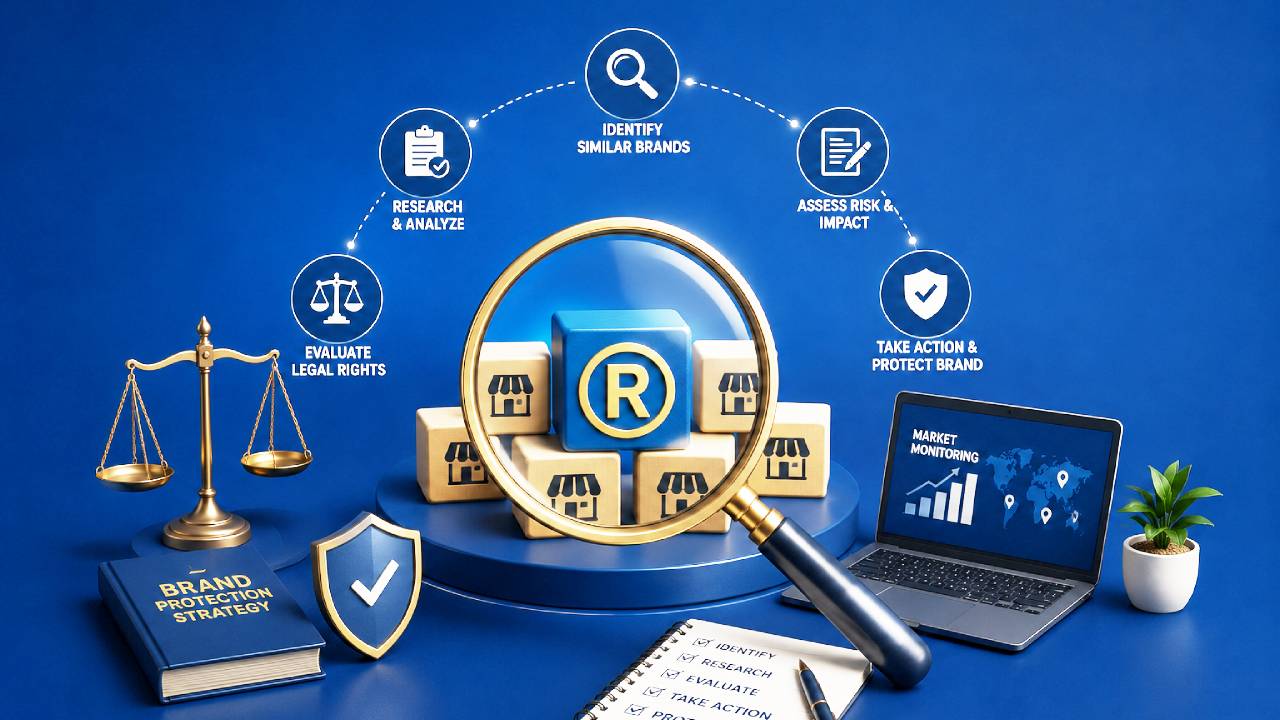

In today’s fast moving digital economy, Online Brand Protection has become a critical priority for businesses operating across e-commerce platforms, social media channels, and global marketplaces. With increasing competition and low barriers to entry, brands face constant risks such as imitation, counterfeit listings, domain abuse, and unauthorised use of brand identity. These threats can quickly damage reputation, reduce customer trust, and weaken long term business value. Strong Online Brand Protection strategies help businesses secure their digital identity, maintain brand consistency, and prevent misuse across online platforms. In a marketplace where visibility is instant and global, proactive protection is no longer optional. It is a core requirement for sustainable growth.
Online Brand Protection and Its Growing Importance in the Digital Economy
Online Brand Protection refers to the strategies and legal mechanisms used to safeguard a brand’s identity across digital platforms. This includes protection of trademarks, domain names, social media accounts, product listings, and digital content. The rise of digital commerce has significantly increased exposure to infringement. Fake websites, misleading advertisements, and copycat listings are now common across online marketplaces. Even small businesses can face large scale imitation within weeks of gaining visibility. For online businesses, brand protection is closely linked to customer trust. When consumers encounter counterfeit or confusingly similar listings, it affects purchasing decisions and long term loyalty. This makes digital protection a key part of business strategy.
Why Online Businesses Face Higher Brand Risks Today
Online businesses operate in an environment where information spreads rapidly and competition is global. Unlike traditional markets, digital platforms allow instant replication of brand elements. E-commerce marketplaces often host multiple sellers, increasing the chances of similar product names and branding. Social media platforms further amplify exposure, making it easier for infringers to target popular brands. Additionally, domain name conflicts and impersonation websites continue to grow. These risks highlight the need for continuous monitoring and structured protection systems.
Securing Trademark Rights Before Expanding Digitally
A strong foundation for Online Brand Protection begins with trademark registration. Without legal ownership, businesses face difficulties in enforcing rights against infringers. Trademark registration ensures exclusive rights over brand names, logos, and identifiers. It also provides legal standing in disputes and helps prevent unauthorised use across digital platforms. Businesses should ensure trademarks are registered in relevant jurisdictions and aligned with long term expansion plans. This reduces risk exposure in both domestic and international markets.
Importance of Consistent Digital Identity Across Platforms
Consistency plays a major role in strengthening brand protection online. When businesses use different names, logos, or descriptions across platforms, it weakens recognition and increases vulnerability to imitation. A unified digital identity helps customers easily identify authentic products and services. It also strengthens legal claims in case of infringement disputes. Maintaining consistency across websites, marketplaces, and social media platforms ensures stronger visibility and reduces confusion among consumers.
Monitoring Online Marketplaces and E Commerce Platforms
Online marketplaces are one of the most common sources of brand misuse. Sellers often use similar names or misleading descriptions to attract traffic. Continuous monitoring of these platforms helps businesses identify unauthorised listings early. Early detection allows faster action, reducing potential financial and reputational damage. Monitoring should include product listings, seller accounts, and advertising content across major digital platforms.
Protecting Domain Names and Digital Assets
Domain names are a core component of Online Brand Protection. Businesses must secure relevant domain variations to prevent cybersquatting or impersonation. When similar domains are registered by third parties, customers may be misled into visiting unauthorised websites. This can lead to data breaches, loss of trust, and financial harm. Securing domain names early and renewing them consistently helps maintain control over digital identity and prevents misuse.
Managing Social Media Impersonation Risks
Social media platforms are frequently used for brand impersonation. Fake accounts, misleading pages, and unauthorised promotions can damage brand credibility. Businesses must actively monitor social media channels for misuse of logos, names, or brand messaging. Reporting impersonation early helps reduce spread and protects customer trust. Verified accounts and consistent branding across platforms strengthen authenticity and reduce impersonation risks.
Legal Enforcement as a Core Protection Strategy
Legal enforcement plays a critical role in maintaining Online Brand Protection. When infringement occurs, timely legal action helps prevent further misuse and reinforces ownership rights. Enforcement can include takedown requests, opposition proceedings, or legal notices depending on the severity of the violation. Strong enforcement signals deter future infringement and protect brand value. In complex cases involving cross border infringement, legal expertise becomes essential for effective resolution.
Role of Technology in Brand Protection
Technology has become an important tool in identifying and preventing digital brand misuse. Automated monitoring systems can track online listings, domain registrations, and social media mentions. These tools help businesses detect infringement at scale and respond quickly. Artificial intelligence based systems also improve accuracy in identifying similar brand names or logos. Technology combined with legal oversight creates a more efficient protection framework for online businesses.
Strengthening Internal Brand Governance
Internal governance ensures consistent application of brand identity across all digital channels. Clear guidelines on logo usage, messaging, and content creation help maintain uniformity. When internal processes are weak, inconsistencies may arise, making it easier for infringers to replicate or misuse brand elements. Strong governance also supports legal enforcement by providing documented evidence of brand usage and ownership.
Preventing Counterfeit Products in Digital Markets
Counterfeit goods remain a major challenge for online businesses. Fake products not only affect revenue but also damage brand reputation. Monitoring product listings and collaborating with marketplaces helps identify counterfeit activity early. Businesses must take swift action to remove unauthorised sellers and protect customer safety. Strong brand protection strategies help maintain product integrity and consumer trust.
Importance of Legal Expertise in Digital Brand Protection
Legal expertise is essential for navigating complex digital infringement issues. Online platforms operate across multiple jurisdictions, making enforcement challenging without professional guidance. Engaging a trademark registration consultant lawyer helps businesses establish strong legal foundations for their brand. These professionals assist in securing trademarks, monitoring risks, and managing enforcement strategies effectively. Legal support ensures businesses remain compliant while protecting their intellectual property across digital platforms.
Strategic Role of Intellectual Property Litigation Support
When disputes escalate, litigation becomes necessary to protect brand rights. Online infringement cases often require swift legal action due to the fast nature of digital markets. Working with an intellectual property litigation lawyer helps businesses handle complex disputes, enforce rights, and recover damages where applicable. Their expertise ensures effective representation in both domestic and international cases. This level of support is crucial for businesses operating in highly competitive digital environments.
Conclusion
Online Brand Protection is essential for businesses operating in today’s digital economy. With increasing risks of imitation, impersonation, and counterfeit activity, proactive protection strategies are necessary to safeguard brand identity and customer trust. A strong protection framework includes trademark registration, consistent digital identity, continuous monitoring, legal enforcement, and strategic governance. Businesses that invest in structured protection systems are better positioned to grow sustainably in competitive markets. Brand protection is not a one time effort. It is an ongoing responsibility that ensures long term business value and digital credibility.