
One of the Best Corporate Compliance Services
Give employees and associated parties the information they require, when they need it the most
Policies and Procedures are an integral part of any organisation and provides a road map of what management wishes to happen and how it happens. It serves as a backbone for safe operations, quality assurance, consistent approach, key staff responsibilities, control mechanisms and fosters a positive & productive work environment. It helps the business to reduce liability by maintaining a structure and provides clear guidelines for conduct, expectations and actions within the organization for all its employees and associated parties. They reflect the company’s long term goals, mission and vision.
Let us handle your Internal Compliance while you can focus on your Core Business
LEXLEVEL has a huge repository of templates, policies and procedure which can be modified or especially drafted as per your organization’s personal needs and requirements. They are subject to periodic review and update to align with your changing business needs and legal compliance.


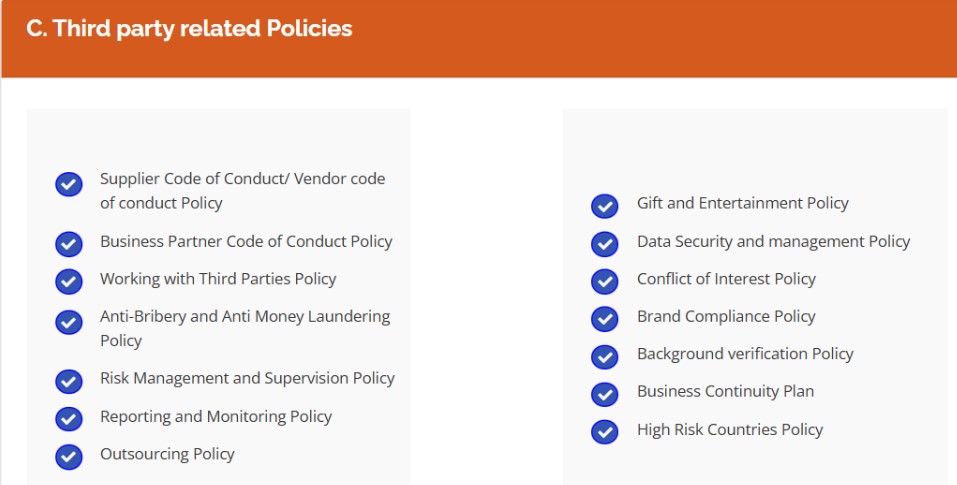

Why is Policy Management the need of the hour?
- Promotes accountability & Reduces errors.
- Minimizes Reputation, Legal and Financial risks.
- Builds a culture of compliance through effective communication.
- Sets the right expectations with employees and third parties and enables consistent processes & structures.
- Increase Productivity & helps you navigate incidents & crises.
- Promotes Compliance with Law and Established process.
- Aligns the employees and third-party vendors with organization’s vision, mission and culture.
Our Corporate Compliance Services
All Services
Begin Your Corporate Compliance Journey With Us
Compliance that ensures growth.
Frequently Asked Questions for Corporate Compliance
1. Which businesses are required to comply with corporate compliance regulations?
Most companies, including Private Limited Companies, Public Limited Companies, Limited Liability Partnerships, and certain other business entities, must comply with applicable corporate laws. The specific compliance requirements depend on the business structure, industry, size, and the regulations governing its operations.
2. What are the common corporate compliance filings for companies?
Corporate compliance generally includes statutory filings, annual returns, financial statement submissions, board meeting requirements, maintenance of statutory registers, and other regulatory obligations. The exact filings vary depending on the company’s legal structure and the applicable provisions under relevant corporate laws.
3. How often should a company review its corporate compliance status?
Companies should review their corporate compliance status regularly throughout the financial year. Periodic compliance reviews help identify pending obligations, ensure timely statutory filings, maintain accurate records, and reduce the risk of non-compliance with applicable regulatory requirements.
4. Can startups and small businesses benefit from corporate compliance services?
Yes. Corporate compliance services help startups and small businesses establish proper governance practices from the beginning. Maintaining compliance supports business credibility, facilitates future investment opportunities, and helps entrepreneurs meet their ongoing statutory responsibilities efficiently.
5. What documents should companies maintain for corporate compliance?
Companies should maintain statutory registers, board and shareholder meeting records, financial statements, incorporation documents, regulatory filings, and other documents required under applicable laws. Proper documentation supports legal compliance, corporate governance, and regulatory inspections where applicable.
6. Does corporate compliance differ based on the type of business entity?
Yes. Corporate compliance obligations vary depending on whether the business operates as a Private Limited Company, Public Limited Company, Limited Liability Partnership, or another recognised legal entity. Each structure has its own statutory filing, governance, and reporting requirements.
7. What is the role of the Board of Directors in corporate compliance?
The Board of Directors is responsible for overseeing the company’s compliance framework, ensuring statutory obligations are fulfilled, maintaining good corporate governance, and supporting lawful business operations. Directors should monitor compliance processes and encourage responsible corporate decision making.
8. Can corporate compliance requirements change over time?
Yes. Corporate compliance requirements may change due to amendments in laws, regulatory notifications, judicial decisions, or changes in business operations. Companies should regularly monitor legal developments to ensure continued compliance with applicable statutory and regulatory obligations.
9. What are the common mistakes companies make in corporate compliance?
Common mistakes include missing statutory filing deadlines, maintaining incomplete records, failing to hold required meetings, overlooking regulatory updates, and not monitoring ongoing compliance obligations. Establishing an organised compliance system helps reduce these risks and supports effective corporate governance.
10. How can businesses prepare for a corporate compliance audit?
Businesses can prepare by maintaining accurate statutory records, reviewing regulatory filings, verifying corporate documents, updating compliance registers, and ensuring internal processes align with applicable legal requirements. Regular internal reviews also help identify and address compliance gaps before formal audits.
11. Can corporate compliance services help during business expansion?
Yes. Corporate compliance services support business expansion by helping companies understand new regulatory obligations arising from organisational growth, operational changes, or business restructuring. Maintaining compliance during expansion helps reduce legal risks and supports sustainable business operations.
12. What should businesses consider before choosing a corporate compliance service provider?
Businesses should evaluate the provider’s experience, knowledge of corporate laws, understanding of regulatory requirements, compliance management processes, documentation practices, and ability to provide ongoing compliance support. A reliable service provider should help businesses maintain accurate records and meet their statutory obligations efficiently.