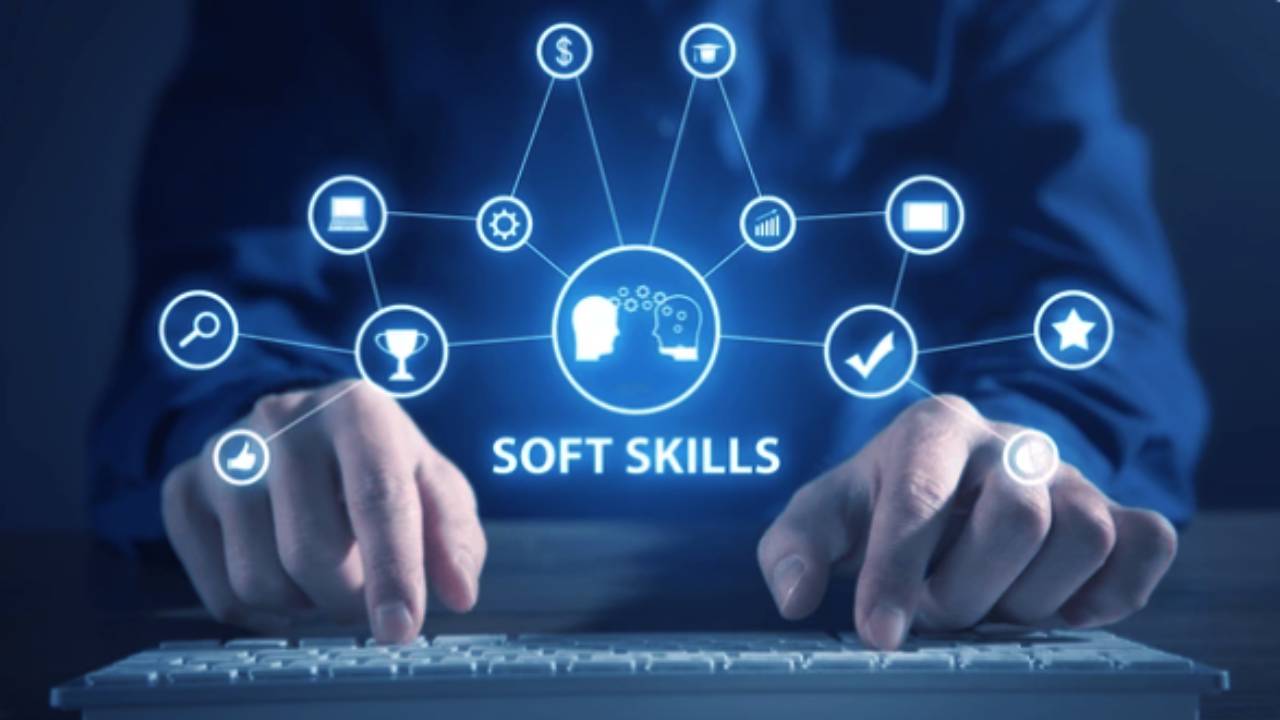
In today’s competitive corporate environment, organisations increasingly recognise the Soft Skills Importance for overall team performance. While technical expertise remains essential, companies have discovered that employees with strong soft skills contribute significantly to productivity, collaboration, and leadership effectiveness. Soft skills influence communication, adaptability, problem solving, and emotional intelligence, all of which are critical in building resilient and high performing corporate teams.
This shift in focus is changing the way organisations design training programs, recruit talent, and evaluate performance. Companies now understand that investing in soft skills alongside technical competencies yields long term benefits, enhancing employee engagement and organisational growth.
Soft Skills Importance in Modern Corporate Teams
Soft skills are interpersonal and behavioural attributes that determine how employees interact, manage tasks, and respond to challenges. Their importance extends beyond simple communication to leadership, collaboration, and conflict resolution. As teams become more diverse and organisations adopt hybrid and remote work models, the ability to navigate interpersonal dynamics and convey ideas effectively becomes essential.
Employees with strong soft skills can communicate clearly, influence decisions, and manage workplace stress, thereby improving team cohesion. Technical skills alone may allow employees to complete tasks, but soft skills empower them to drive initiatives, foster innovation, and contribute to organisational culture positively.
Enhancing Communication and Collaboration
One of the most significant aspects of soft skills is effective communication. Employees with strong communication abilities articulate ideas clearly, listen actively, and build trust with colleagues and clients. This results in smoother workflows, fewer misunderstandings, and stronger collaboration.
Corporate teams increasingly rely on cross functional collaboration, where individuals from different departments must work together seamlessly. Soft skills such as empathy, active listening, and clarity in communication become critical in ensuring that projects progress efficiently. Many organisations now integrate workplace communication training into their professional development programs to enhance these competencies and strengthen team performance.
Building Leadership and Emotional Intelligence
Soft skills play a pivotal role in developing leadership potential within teams. Leadership requires more than technical know how; it demands the ability to motivate, inspire, and manage people. Employees who master soft skills can lead by example, facilitate problem solving, and manage conflicts effectively.
Emotional intelligence, a core component of soft skills, helps leaders understand team members’ motivations, address concerns, and create a supportive work environment. In turn, this fosters higher employee satisfaction, engagement, and loyalty. Teams led by emotionally intelligent managers exhibit higher productivity and demonstrate resilience during organisational changes.
Adaptability and Problem Solving
In fast paced industries, adaptability is a key differentiator for employee success. Technical skills can quickly become outdated, but soft skills enable employees to learn continuously, embrace change, and apply creative solutions to new challenges.
Problem solving is another area where soft skills are crucial. Employees with analytical thinking, collaboration, and effective communication can navigate complex problems more efficiently. Teams equipped with strong soft skills can collectively respond to unexpected situations, maintain performance under pressure, and seize opportunities for improvement.
Enhancing Team Productivity and Efficiency
Soft skills directly impact team productivity. Employees with interpersonal skills can manage conflicts constructively, communicate priorities, and coordinate efforts efficiently. This reduces errors, accelerates project timelines, and strengthens team cohesion.
Managers who emphasise soft skills in training and performance development see improvements in workflow efficiency and employee satisfaction. Investing in soft skills development ensures that teams operate harmoniously, even under high stress, and achieve organisational objectives more consistently.
Fostering Innovation and Creativity
Soft skills encourage innovation by creating a supportive environment for idea sharing and collaboration. Employees who feel heard and valued are more likely to contribute suggestions, challenge assumptions, and experiment with new approaches.
Teams with strong soft skills can brainstorm effectively, evaluate ideas critically, and implement creative solutions. This culture of innovation enhances the organisation’s competitiveness and adaptability in a constantly evolving market.
Supporting Employee Retention and Engagement
Employees increasingly prioritise workplaces that offer professional growth and a positive work culture. Soft skills development demonstrates an organisation’s commitment to holistic employee growth, enhancing engagement and retention.
Training programs focused on interpersonal skills, leadership, and emotional intelligence signal to employees that their development matters. Engaged employees are more committed, motivated, and likely to stay with the organisation, reducing turnover costs and maintaining institutional knowledge.
Integrating Soft Skills with Technical Competencies
While technical expertise ensures task completion, soft skills ensure that tasks are executed efficiently, collaboratively, and strategically. Organisations benefit most when employees are proficient in both areas. Integrated training programs help employees apply technical skills in a manner that enhances collaboration, leadership, and communication.
By combining technical and soft skills training, organisations can create well rounded employees capable of adapting to dynamic work environments. Many forward thinking companies partner with a corporate training agency to design programs tailored to their workforce’s unique requirements.
Conclusion
The Soft Skills Importance in corporate teams can no longer be overlooked. Technical skills alone no longer guarantee success in modern work environments. Soft skills enhance communication, leadership, adaptability, problem solving, and innovation, all of which are critical to organisational growth. Investing in soft skills training empowers employees, strengthens teams, and creates a positive workplace culture. Organisations that prioritise soft skills alongside technical competencies gain a competitive edge, higher employee engagement, and long term sustainability.