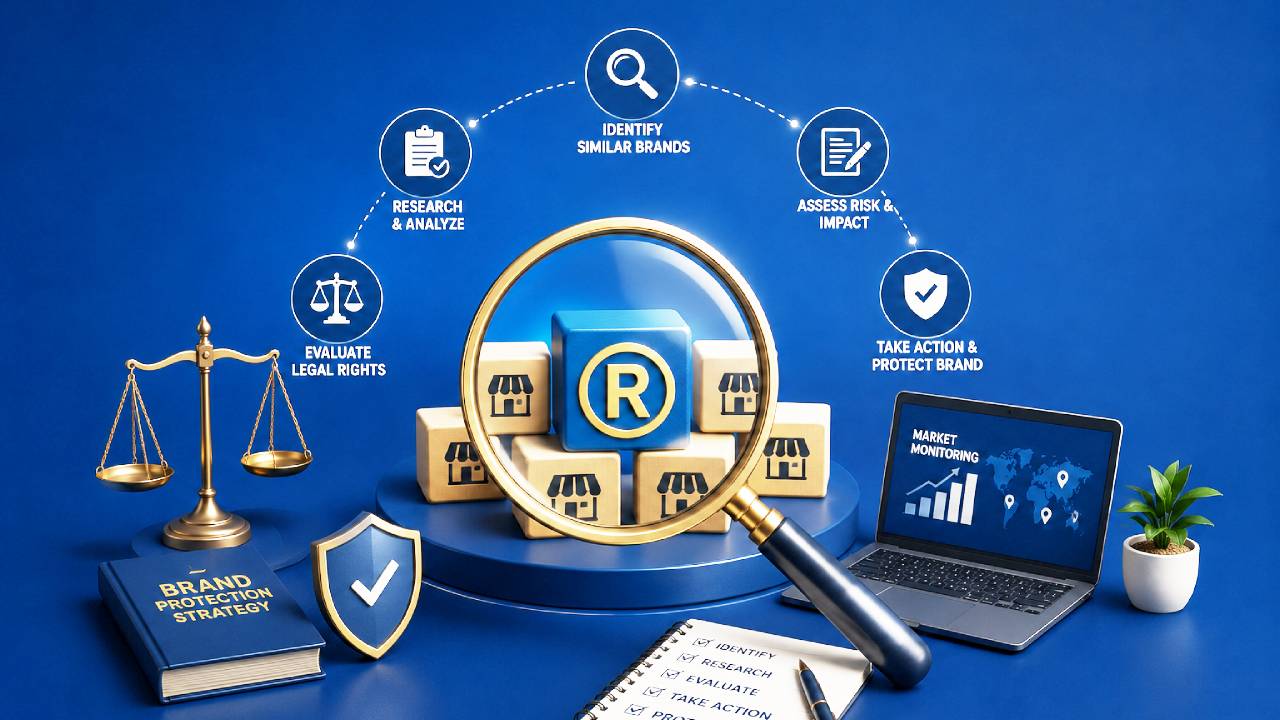

In today’s online driven economy, Digital Brand Risks have become a major concern for businesses built primarily on digital platforms. Unlike traditional brands, digital first businesses operate in fast moving environments such as social media, e-commerce marketplaces, mobile apps, and global online ecosystems. This exposure increases vulnerability to imitation, impersonation, and trademark conflicts. Understanding Digital Brand Risks is essential for protecting brand identity in a space where visibility spreads instantly and competitors can replicate branding elements with ease. These risks are not limited to legal disputes alone. They also affect reputation, customer trust, and long term brand value.
Digital Brand Risks and Why They Are Increasing for Modern Businesses
Digital Brand Risks refer to the legal and commercial threats faced by brands operating primarily online. These include trademark infringement, domain name misuse, counterfeit listings, social media impersonation, and unauthorised use of brand identity. Digital first brands grow rapidly, often without geographical limits. While this expansion creates opportunity, it also increases exposure to misuse. Unlike traditional businesses, digital brands are visible across multiple platforms simultaneously, making them easier to copy and harder to control. As competition intensifies, even small startups can become targets of imitation once they gain traction. This makes proactive protection a necessity rather than an option.
Why Digital First Brands Face Higher Trademark Vulnerability?
Digital first businesses operate in a space where branding is central to visibility. Names, logos, and visual identity are often the primary tools for customer recognition. This makes them easy targets for replication. Unlike physical businesses, digital brands do not rely on local presence. They scale quickly across platforms and regions. This rapid growth often outpaces legal protection strategies, leaving gaps in trademark coverage.
Additionally, online platforms allow instant creation of similar accounts or listings, increasing the likelihood of confusion among customers.
1. Domain Name Conflicts and Online Identity Issues
One of the most common Digital Brand Risks is domain name conflict. Competitors or unrelated parties may register similar domain names to divert traffic or mislead customers.vThis practice, often known as cybersquatting, can severely impact brand credibility. Customers may unknowingly interact with fake websites, leading to trust issues and potential financial loss. Securing domain names early and consistently is essential for maintaining digital identity integrity.
2. Social Media Impersonation and Brand Misuse
Social media platforms play a central role in digital branding. However, they also create opportunities for impersonation. Fake accounts often mimic brand names, logos, and messaging to deceive users. This leads to confusion and damages brand reputation. In some cases, impersonation accounts are used for scams or misleading promotions, further increasing legal exposure. Continuous monitoring of social media platforms is essential to detect and remove such accounts quickly.
3. E Commerce Marketplace Risks for Digital Brands
E-commerce platforms are a major source of Digital Brand Risks. Sellers often list products using similar brand names or misleading descriptions to attract customers. This not only affects sales but also creates confusion among buyers. Counterfeit products further complicate the issue by damaging brand trust and reducing perceived value. Without proper monitoring and enforcement, these risks can escalate quickly across multiple marketplaces.
4. Speed of Digital Growth and Legal Protection Gaps
Digital brands often scale rapidly through online marketing, influencer campaigns, and global reach. However, legal protection does not always keep pace with this growth. Trademark registration, enforcement strategies, and monitoring systems require time and planning. When growth outpaces protection, vulnerabilities increase significantly. This gap between commercial expansion and legal coverage is one of the most common challenges faced by digital first companies.
5. Cross Border Exposure and Jurisdictional Complexity
Unlike traditional businesses, digital brands often operate globally from day one. This creates jurisdictional complexity in trademark protection. Different countries follow different trademark systems. Some prioritise first registration, while others consider prior use. This creates uncertainty for digital businesses operating across multiple markets. Without international protection, brands may face disputes in regions where they have no registered rights.
Importance of Brand Consistency Across Digital Platforms
Consistency is essential for building a strong digital identity. However, many digital brands use variations of their name or logo across platforms, which weakens recognition. Inconsistent branding also increases the risk of imitation. When customers encounter variations, it becomes harder to identify authentic sources. Maintaining uniform branding across websites, apps, and social platforms strengthens legal protection and improves customer trust.
Data Driven Branding and Intellectual Property Exposure
Digital brands rely heavily on data driven marketing strategies. This includes analytics, user generated content, and algorithm based visibility. While this enhances reach, it also increases exposure of brand assets. Logos, taglines, and content are widely distributed, making replication easier. This visibility creates additional Digital Brand Risks, especially in fast growing industries such as fintech, SaaS, and e-commerce.
Monitoring Digital Platforms for Early Risk Detection
Continuous monitoring is essential for identifying potential trademark issues. Digital platforms evolve quickly, and new infringing content can appear at any time. Monitoring includes tracking domain registrations, social media mentions, app stores, and marketplace listings. Early detection allows faster response and reduces long term damage. Without monitoring, infringement may spread widely before action is taken.
Legal Enforcement Challenges in the Digital Environment
Enforcing trademark rights online is more complex than in traditional markets. Digital platforms operate across multiple jurisdictions and often require platform specific procedures for takedown. Infringers can also create multiple accounts or listings, making enforcement ongoing rather than one time. Strong legal strategy is necessary to ensure consistent protection and timely action against violations.
Role of Legal Expertise in Managing Digital Brand Risks
Legal support plays a crucial role in addressing Digital Brand Risks effectively. Digital environments require specialised knowledge of intellectual property law and platform enforcement mechanisms. Engaging a trademark litigation lawyer in India helps businesses take action against infringement, manage disputes, and protect brand identity across jurisdictions. Legal expertise ensures proper handling of complex digital conflicts. In addition, ongoing advisory support from professionals helps businesses anticipate risks and strengthen protection strategies.
Strategic Value of Intellectual Property Advisory Support
As digital brands scale, intellectual property management becomes increasingly complex. Businesses must balance growth with protection across multiple platforms and regions. Working with intellectual property advisors helps organisations develop structured protection strategies, monitor risks, and manage enforcement effectively. Their guidance ensures brands remain secure while expanding in competitive digital markets. This strategic support is essential for long term sustainability in the digital economy.
Conclusion
Digital Brand Risks are a defining challenge for modern businesses operating in online environments. Rapid growth, global exposure, and digital replication make trademark protection more complex than ever before. From domain conflicts to social media impersonation and marketplace misuse, digital first brands face continuous threats to their identity. Without structured protection, these risks can impact reputation, revenue, and long term brand value. A proactive approach combining trademark registration, digital monitoring, enforcement, and legal expertise is essential. Businesses that invest in strong protection systems are better positioned to succeed in the evolving digital landscape.