Trademark registration provides businesses with valuable legal protection for their brand identity, but the application process does not always proceed smoothly. During examination, trademark authorities may raise concerns requiring applicants to provide clarification or additional information. Receiving a Trademark Office Action can be a challenging stage for businesses because the response may influence whether the trademark application moves forward or faces further complications.
A proper understanding of the objection, applicable legal requirements, and response strategy is essential before submitting any reply. Many businesses underestimate the importance of this stage and provide incomplete responses, which may delay registration or affect their chances of approval. Addressing a Trademark Office Action carefully helps businesses protect their intellectual property rights and move closer to successful trademark registration.
Understanding Trademark Office Action and Its Importance
A Trademark Office Action is an official communication issued by a trademark examination authority when concerns arise regarding a trademark application. The notice explains issues identified during examination and provides applicants with an opportunity to respond.
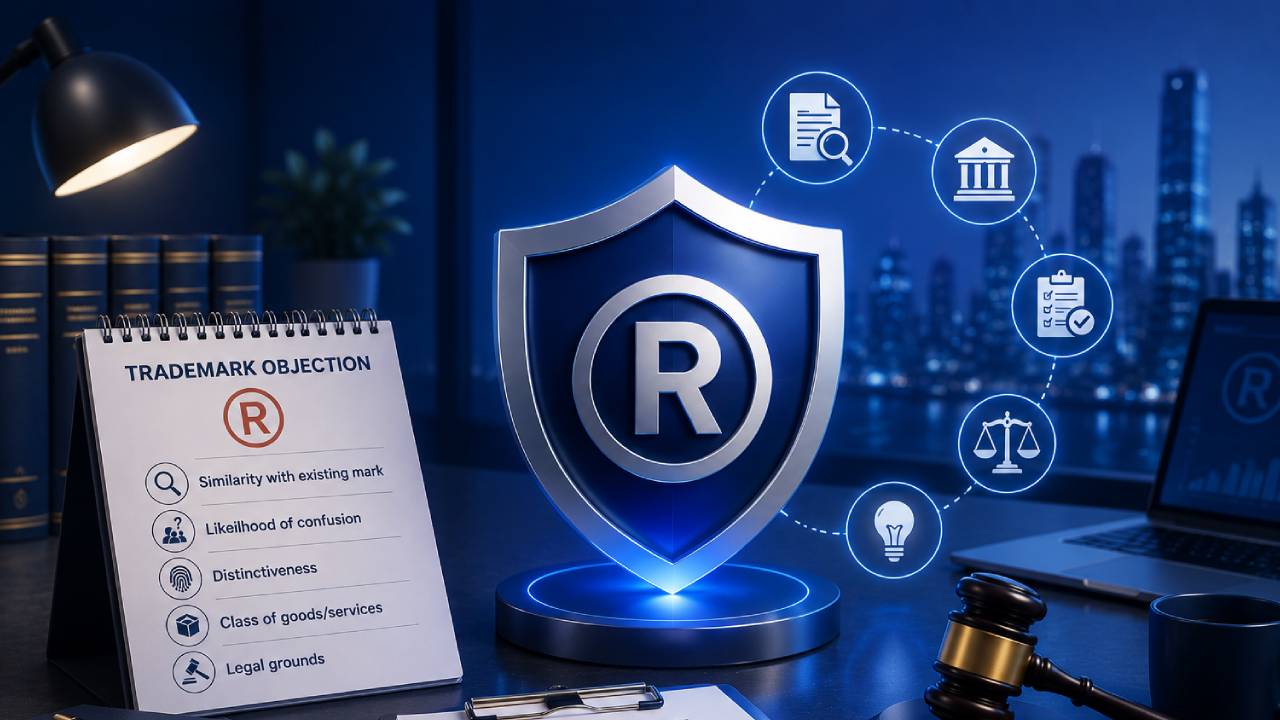
The reasons behind an office action may vary. It could relate to similarity with existing trademarks, incomplete information, classification issues, lack of distinctiveness, documentation problems, or other legal requirements.
Receiving an office action does not necessarily mean a trademark application will be rejected. It indicates that further clarification or legal arguments may be required before the application can proceed.
Review the Objection Carefully Before Preparing a Response
The first step after receiving an objection is to understand the exact concerns raised by the trademark authority.
Applicants should carefully review the examination report or office action notice, identify each issue mentioned, and understand the legal basis behind the objection.
A common mistake is preparing a general response without directly addressing the specific concerns raised. A successful response should focus on the examiner’s reasoning and provide relevant explanations supported by evidence where necessary.
Identify the Legal Grounds Behind the Objection
Trademark objections are usually based on specific legal provisions or examination standards.
For example, an examiner may raise concerns because the trademark appears similar to an existing registered mark, lacks distinctiveness, contains descriptive elements, or does not meet procedural requirements.
Understanding the legal grounds helps applicants develop an appropriate response strategy. Each objection requires a different approach, and using the wrong reasoning may weaken the application.
Evaluate Existing Trademark Conflicts
One of the most common reasons for a trademark objection is similarity with an existing trademark.
Businesses should evaluate whether the cited trademark is genuinely similar in terms of appearance, sound, meaning, or the nature of goods and services involved.
A detailed assessment helps determine whether arguments can be made regarding differences between the marks, market conditions, customer perception, or other relevant factors.
A careful review of existing trademarks is important before submitting a response.
Check the Accuracy of Application Details
Some trademark objections arise due to errors or inconsistencies in application information.
Businesses should verify details such as applicant information, trademark representation, business activities, ownership details, and classification of goods or services.
Correcting inaccurate information and providing proper clarification can help address procedural concerns raised during examination.
Collect Supporting Documents and Evidence
Evidence plays an important role in responding to trademark objections.
Depending on the nature of the objection, businesses may need to provide documents demonstrating trademark use, market presence, ownership, sales records, advertising materials, or other relevant information.
Strong evidence can support arguments regarding brand recognition, distinctiveness, or legitimate trademark ownership.
Applicants should organise supporting documents carefully before preparing their response.
Consider the Importance of Trademark Classification
Incorrect trademark classification can create difficulties during examination.
Trademark protection applies only to specific categories of goods and services. If the selected classes do not accurately represent business activities, the examiner may raise concerns.
Businesses should review whether the selected classes align with their current operations and future plans.
Proper classification improves the effectiveness of trademark protection and reduces unnecessary examination issues.
Avoid Submitting an Incomplete Response
A weak or incomplete response may fail to address the examiner’s concerns.
Businesses sometimes provide limited explanations without supporting arguments or evidence. This approach may reduce the possibility of overcoming the objection.
A well prepared response should explain the legal position clearly, address each objection separately, and include relevant supporting material.
Consider Professional Legal Assistance
Trademark objections often involve complex legal analysis. Businesses may benefit from professional guidance when preparing responses, especially when objections involve conflicts with existing trademarks or questions about registrability.
Experienced professionals understand examination procedures and can help develop suitable strategies based on the specific circumstances.
Working with Trademark filing and registration lawyers can help businesses prepare structured responses, evaluate legal risks, and improve the quality of submissions made before trademark authorities.
Understand Response Deadlines
Trademark authorities provide specific timelines for submitting responses to office actions.
Missing these deadlines may result in abandonment of the trademark application or loss of opportunity to address the examiner’s concerns.
Businesses should track deadlines carefully and begin preparing responses as soon as possible after receiving an objection.
Early action provides sufficient time for legal review, evidence collection, and response preparation.
Assess Whether Additional Legal Arguments Are Required
Some objections require more detailed legal reasoning than simple clarification.
For example, objections based on similarity with existing trademarks may require arguments regarding differences between marks, consumer perception, market conditions, or coexistence possibilities.
In such situations, businesses should consider whether specialised legal knowledge is required to strengthen their response.
A properly structured legal argument can significantly influence the outcome of trademark examination.
The Role of Trademark Lawyers in Objection Responses
Trademark professionals assist businesses throughout the objection process by analysing examination reports, preparing responses, and advising on possible outcomes.
They help businesses understand the strengths and weaknesses of their position and identify practical solutions.
An experienced Intellectual Property Lawyer can provide guidance on trademark objections, registration challenges, enforcement considerations, and broader intellectual property protection strategies.
Professional assistance helps businesses manage complex trademark matters with greater confidence.
Avoid Delaying Action After Receiving an Objection
Delaying a response can create additional complications for businesses.
Trademark objections often require timely decisions, document preparation, and careful legal analysis. Waiting until the final stage may limit available options.
Businesses should treat objections as an important part of the registration process and respond with proper preparation.
Learning From Trademark Objections for Future Applications
Trademark objections provide valuable insights into potential weaknesses in a brand protection strategy.
Businesses can use these experiences to improve future trademark searches, application preparation, classification decisions, and overall intellectual property planning.
A proactive approach reduces the likelihood of similar challenges in future filings.
Building a Stronger Trademark Protection Approach
Trademark registration should be part of a broader intellectual property strategy. Businesses should regularly review their trademark portfolios, monitor market developments, and ensure their applications accurately reflect commercial objectives.
Proper preparation before filing and careful responses during examination help businesses establish stronger legal protection for their brands.
Conclusion
Receiving a Trademark Office Action is an important stage in the trademark registration process. While an objection may create uncertainty, it also provides businesses with an opportunity to address concerns and strengthen their applications.
Before responding, businesses should carefully review the objection, understand the legal grounds, evaluate possible conflicts, prepare supporting evidence, and consider professional guidance where required.
A thoughtful response strategy improves the chances of successful registration and helps businesses protect their valuable brand assets. By approaching trademark objections with proper preparation, businesses can reduce delays, avoid unnecessary complications, and build stronger intellectual property protection.