Leadership development continues to evolve rapidly as organisations across India respond to technological progress, changing workforce expectations and global competition. Companies now recognise leadership capability as a core driver of business growth and organisational stability. As a result, Leadership training trends India reveal a strong shift towards practical learning, digital transformation and behavioural development. Organisations are moving beyond traditional classroom training and adopting modern learning frameworks designed to strengthen real workplace leadership capability.
Leadership programmes today aim to develop managers who can guide teams through uncertainty, communicate effectively and make informed decisions. Businesses increasingly invest in leadership initiatives which combine structured learning, coaching and real world application. Understanding current leadership training trends helps organisations design development strategies aligned with the evolving demands of the corporate environment.
This article explores the most significant leadership training trends shaping organisational learning and leadership development in India during 2026.
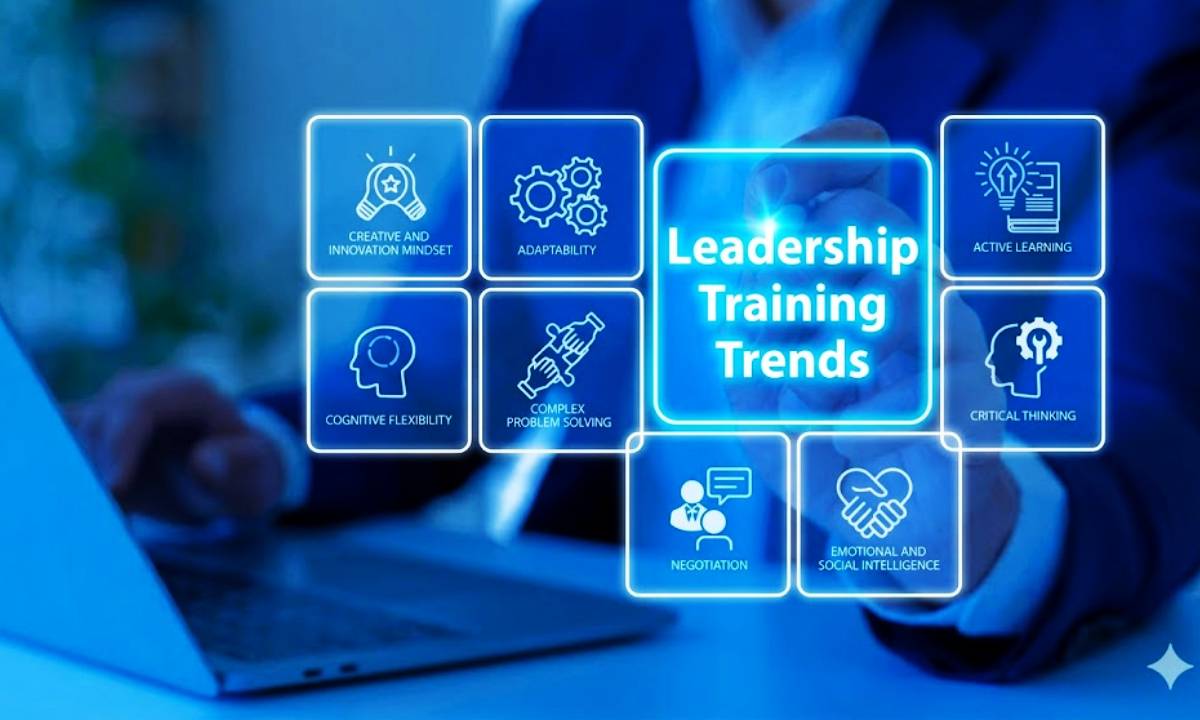
Leadership training trends India influencing modern corporate learning
The leadership development landscape in India has changed considerably over the past decade. Organisations no longer view leadership training as a single event. Instead, leadership growth is considered an ongoing learning process which continues throughout a professional career.
One major change involves aligning leadership training with organisational strategy. Companies increasingly design programmes which reflect business objectives and organisational culture. Leadership training therefore focuses on practical workplace challenges rather than abstract management theory.
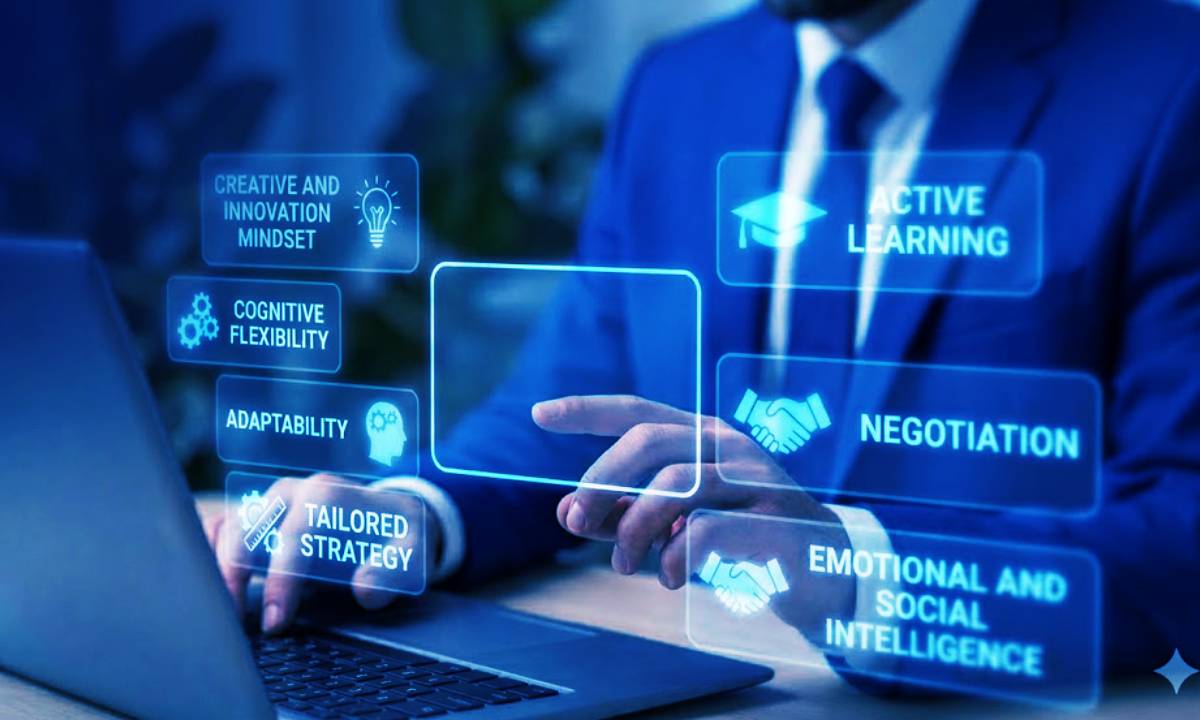
Another noticeable trend involves the integration of behavioural skills within leadership programmes. Organisations understand technical knowledge alone cannot prepare leaders for modern workplace complexities. Leadership training now emphasises emotional awareness, communication capability and collaborative problem solving. As corporate environments become more dynamic, leadership programmes continue adapting to equip managers with skills required for evolving organisational challenges.
Digital learning transforming leadership development
Digital technology has transformed how organisations deliver leadership training in India. Online learning platforms now allow companies to provide leadership development programmes across multiple locations while maintaining flexibility for participants.
Blended learning has become particularly popular. Organisations combine online learning modules with instructor led sessions and interactive discussions. Participants can learn theoretical concepts through digital platforms and then apply these ideas during workshops or practical exercises.
Digital tools also allow leadership programmes to become more personalised. Learning platforms can assess participant progress and recommend targeted content based on individual development needs. This approach improves engagement and ensures learning remains relevant for each participant.
The adoption of digital learning continues to influence Leadership training trends India as organisations embrace flexible and scalable training methods.
Focus on emotional intelligence and people centred leadership
Modern workplaces require leaders who understand the human side of organisational management. Emotional intelligence therefore represents a major focus within contemporary leadership development programmes.
Training initiatives increasingly include modules designed to improve empathy, self awareness and relationship management. Leaders must recognise emotional dynamics within teams and respond thoughtfully to employee concerns.
People centred leadership encourages managers to build trust, maintain open communication and support employee wellbeing. Organisations recognise these capabilities contribute directly to employee engagement and productivity.
Leadership development programmes across India therefore integrate emotional intelligence training alongside traditional management skills such as planning and decision making.
Development programmes for emerging leaders
Another important shift within Leadership training trends India involves expanding leadership development opportunities to early career managers. Traditionally, leadership programmes focused primarily on senior executives. However, organisations now recognise leadership potential exists at multiple levels within the workforce.
Early leadership development allows employees to build essential management capabilities before assuming senior responsibilities. Programmes designed for emerging leaders often focus on communication, teamwork, decision making and organisational awareness.
Many companies now offer structured initiatives focused on leadership training for managers and employees across departments. These programmes help employees develop leadership awareness and prepare for future managerial roles.
By nurturing leadership capability early, organisations create stronger internal leadership pipelines and reduce reliance on external recruitment for senior positions.
Practical learning and workplace application
Leadership training programmes in India increasingly emphasise practical learning experiences. Organisations prefer training methods which allow participants to apply leadership concepts directly to workplace challenges.
Case studies, simulations and collaborative projects are now widely used in leadership programmes. Participants analyse real business situations and practise decision making in a controlled learning environment.
Workplace application also plays an important role in leadership development. Participants often complete assignments or projects within their organisation following training sessions. These activities encourage immediate application of leadership skills. Practical learning ensures leadership training produces measurable behavioural improvement rather than purely theoretical knowledge.
Communication capability as a leadership priority
Communication remains one of the most important competencies for effective leadership. Organisations across India increasingly recognise the role of communication in maintaining collaboration and managing complex workplace interactions.
Leadership development programmes therefore include training designed to improve interpersonal communication, presentation ability and constructive feedback practices. Leaders must communicate clearly with employees, clients and stakeholders across different professional contexts.
Many organisations integrate specialised communication skill training within leadership programmes. These initiatives strengthen listening ability, negotiation skills and workplace dialogue. Improved communication capability supports stronger teamwork and reduces misunderstandings within organisations.
Data driven leadership development
Organisations increasingly rely on data analytics to design and evaluate leadership training programmes. Digital assessment tools allow companies to identify leadership strengths and development areas among employees.
Data driven insights help organisations customise training programmes based on specific leadership requirements. Instead of offering generic training content, companies can design targeted development pathways aligned with organisational priorities.
Performance metrics also help evaluate training outcomes. Organisations can analyse productivity indicators, employee feedback and leadership behaviour changes following training initiatives. The use of data in leadership development continues to expand as organisations seek measurable evidence of training impact.
Continuous leadership learning culture
Another emerging aspect of Leadership training trends India involves the creation of continuous learning cultures. Leadership capability cannot develop through occasional training sessions alone. Organisations must encourage ongoing learning and development.
Companies increasingly support continuous learning through mentoring programmes, peer learning groups and coaching sessions. Digital learning platforms also provide access to leadership resources which managers can use throughout their careers.
Continuous learning environments encourage leaders to refine skills regularly and adapt to changing organisational demands. Managers remain prepared to address new challenges and guide teams effectively. Organisations which promote continuous leadership learning often experience stronger innovation and collaboration across departments.
Inclusive leadership and diverse workforce management
Workplace diversity continues to grow across Indian organisations. Teams frequently include employees from different cultural, educational and professional backgrounds. Leadership development programmes must therefore address inclusive leadership practices.
Inclusive leadership focuses on recognising diverse perspectives and ensuring all employees feel valued within the organisation. Leaders must promote fairness, respectful communication and equal participation in decision making processes.
Training programmes often include modules addressing cultural awareness and bias recognition. These topics help leaders understand diverse viewpoints and manage multicultural teams effectively. As Indian organisations expand globally, inclusive leadership capability will become increasingly important for sustainable growth.
Future direction of leadership training in India
Leadership training in India will continue evolving as organisations adopt advanced learning technologies and new management approaches. Artificial intelligence based learning tools may soon personalise leadership development even further.
Virtual reality simulations and interactive digital environments may also become part of leadership training programmes. These technologies can recreate complex workplace scenarios and allow leaders to practise decision making in realistic situations.
Future leadership programmes will likely focus on adaptability, innovation and resilience. Leaders must guide organisations through uncertainty while maintaining strong relationships with employees and stakeholders.
Organisations which remain aware of evolving Leadership training trends India will be better prepared to design leadership development initiatives aligned with future workplace demands.
Conclusion
Leadership development has become an essential priority for organisations seeking long term growth and organisational resilience. Leadership training trends India demonstrate a clear shift towards digital learning, behavioural capability development and practical leadership application.
Modern leadership programmes focus on emotional intelligence, communication capability and continuous learning. Organisations increasingly extend leadership development opportunities across multiple levels within the workforce.
Companies which adapt to these trends strengthen their leadership pipelines and prepare managers to guide teams effectively in complex business environments. As workplace expectations continue evolving, leadership training will remain a strategic investment for organisations across India.