In today’s fast expanding digital marketplace, E-Commerce Trademarks have become a critical foundation for business identity, trust, and long term growth. With millions of sellers operating across global platforms, brand duplication, counterfeit listings, and identity misuse are rising at an unprecedented rate. Many e-commerce businesses underestimate how quickly their brand can be copied or misused once it gains visibility.
Understanding E-Commerce Trademarks is no longer optional for online sellers. It is essential for protecting brand reputation, preventing customer confusion, and securing exclusive rights in highly competitive marketplaces. Without proper trademark protection, even successful online businesses can face legal disputes, loss of sales, and irreversible damage to brand value.
E-Commerce Trademarks and Their Growing Importance in Digital Selling
E-Commerce Trademarks refer to legally protected brand identifiers used by online sellers, including business names, logos, product labels, and distinctive brand elements. These trademarks help customers distinguish genuine products from imitations in crowded online marketplaces. The importance of trademark protection in e-commerce has increased significantly due to the rise of global digital platforms. Sellers now compete not only locally but also internationally. This increases exposure to imitation and unauthorised use of brand identity. A registered trademark ensures legal ownership and provides enforcement rights across marketplaces. It also helps build consumer trust, which is essential for repeat sales and long term success in online business environments.
Why E-Commerce Businesses Face Higher Trademark Risks?
E-commerce platforms operate on open marketplaces where multiple sellers can list similar products. This structure creates higher risk of brand duplication and misuse. New sellers often enter the market quickly, sometimes using similar names or product descriptions to attract traffic. This leads to confusion among customers and weakens brand identity. Additionally, digital visibility makes successful brands easy targets for copying. Once a product gains popularity, imitation listings often appear across different platforms within a short period.
Role of Trademark Registration in Protecting Online Sellers
Trademark registration is the first and most important step in protecting E-Commerce Trademarks. It establishes legal ownership over brand elements and prevents others from using similar identifiers. Without registration, sellers may struggle to enforce rights against infringers. Registered trademarks provide stronger legal standing in disputes and help remove counterfeit listings from marketplaces. For e-commerce sellers, early registration ensures protection before scaling operations across multiple platforms or international markets.
Preventing Brand Confusion in Competitive Marketplaces
One of the biggest challenges in e-commerce is consumer confusion. Similar brand names or logos can easily mislead buyers, especially in fast paced online environments. Trademark protection helps reduce this confusion by ensuring exclusive use of brand identity. When customers recognise a consistent and protected brand, trust increases, leading to higher conversion rates. Clear brand distinction also improves marketplace ranking and strengthens overall digital presence.
Managing Counterfeit Products and Fake Listings
Counterfeit products are a major issue for e-commerce sellers. Fake listings not only reduce revenue but also damage brand reputation and customer trust. Many counterfeit sellers use similar branding to attract buyers searching for popular products. This creates direct competition and affects genuine sellers’ sales performance. Trademark enforcement allows sellers to report and remove counterfeit listings. This helps maintain product authenticity and protects long term brand value.
Importance of Consistent Brand Identity Across Platforms
Consistency is a key factor in strengthening E-Commerce Trademarks. Sellers often operate across multiple platforms such as Amazon, Flipkart, Shopify, and social media channels. When brand identity varies across platforms, it becomes harder for customers to recognise authenticity. This inconsistency can also weaken legal protection in case of disputes. Maintaining uniform logos, product descriptions, and brand messaging helps build stronger recognition and reduces risk of imitation.
Domain Names and Digital Brand Protection
In addition to marketplace listings, domain names play an important role in e-commerce branding. Many sellers face issues when similar domain names are registered by third parties. This can lead to traffic diversion, impersonation websites, and customer confusion. Securing domain names early helps maintain control over digital identity. Aligning domain strategy with trademark protection ensures consistent branding across all online channels.
Monitoring and Enforcement in E-Commerce Platforms
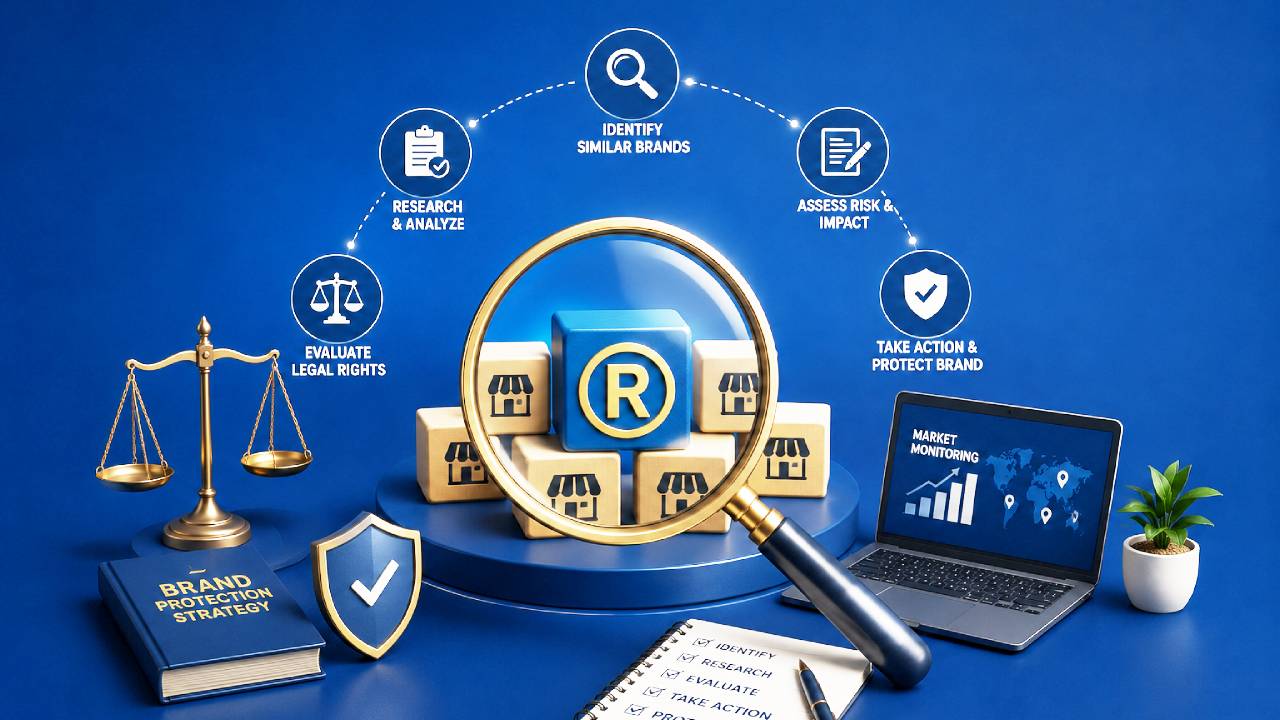
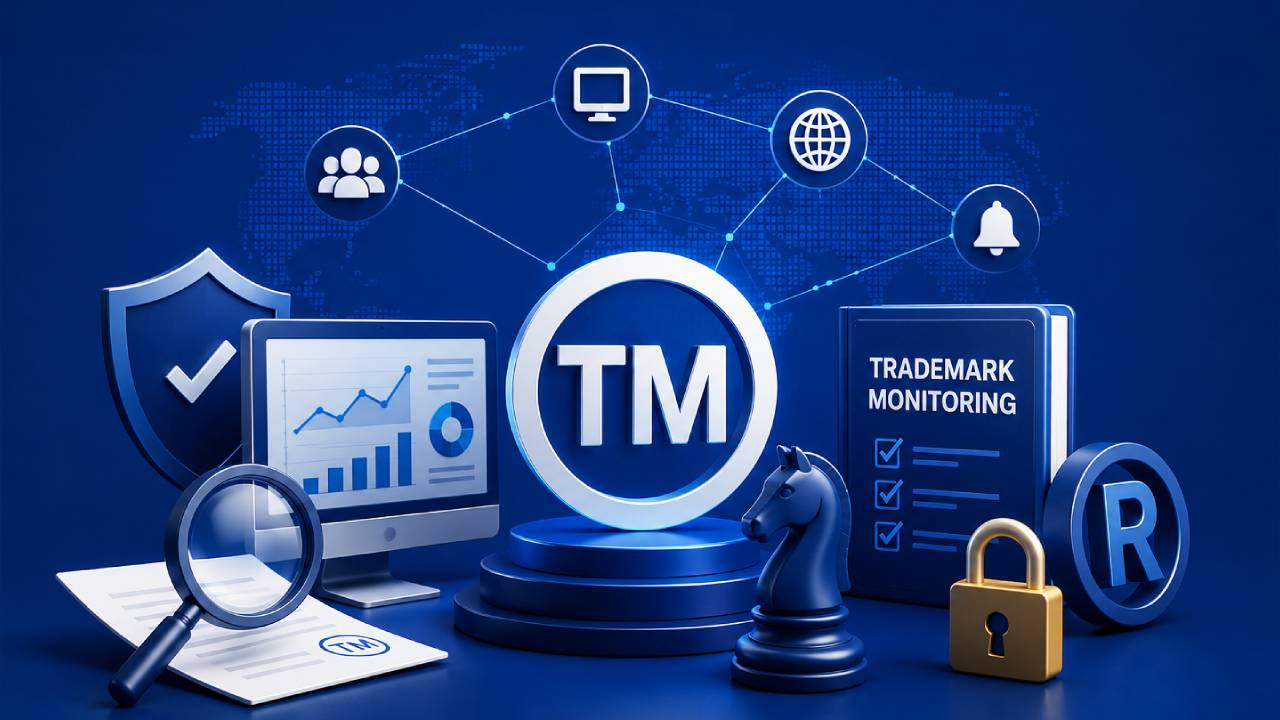
Trademark protection does not end with registration. Continuous monitoring is essential to detect unauthorised use across marketplaces and digital platforms. E-commerce sellers must regularly track product listings, seller accounts, and advertising content to identify potential infringement. Early detection allows faster enforcement action, reducing financial loss and preventing brand dilution.
Global Expansion and Cross Border Trademark Protection
Many e-commerce sellers expand into international markets through global platforms. This increases exposure to different trademark laws and enforcement systems. In some countries, trademark rights depend on first registration, while others consider prior use. This variation can create legal complexity for online sellers. International trademark protection ensures brand security across multiple jurisdictions and supports smooth global expansion.
Legal Challenges Faced by E-Commerce Sellers
Trademark disputes in e-commerce often involve complex legal issues such as similarity in branding, unauthorised use of product images, and counterfeit distribution. These disputes can escalate quickly due to the speed of online transactions. Delayed action may result in loss of market share or weakened legal position. Understanding legal frameworks is essential for effective brand protection in digital marketplaces.
Role of Legal Expertise in E-Commerce Trademark Protection
Legal support plays a crucial role in managing E-Commerce Trademarks effectively. Professionals help sellers identify risks, register trademarks, and enforce rights across platforms. Engaging a Trademark protection attorney in India ensures proper filing, risk assessment, and dispute resolution. Legal experts also assist in handling infringement cases and protecting brand identity in competitive markets. Their expertise is especially valuable for sellers operating across multiple jurisdictions or expanding internationally.
Strategic Role of Intellectual Property Support Services
As e-commerce businesses scale, trademark management becomes more complex. Continuous monitoring, enforcement, and portfolio management require specialised expertise. Working with intellectual property consulting services helps sellers build structured protection strategies, manage brand assets, and respond to infringement efficiently. This support ensures long term brand security and helps businesses focus on growth while maintaining legal protection.
Building Long Term Brand Value Through Trademark Protection
Trademark protection is not only a legal requirement but also a business growth strategy. Strong E-Commerce Trademarks increase brand recognition, customer trust, and market competitiveness. Protected brands are more attractive to investors and business partners. They also perform better in digital marketplaces due to higher trust scores and recognition. Long term success in e-commerce depends on consistent protection and enforcement of trademark rights.
Conclusion
The importance of E-Commerce Trademarks continues to grow as digital commerce expands globally. Online sellers face increasing risks from counterfeit products, brand imitation, and marketplace competition. Trademark protection provides a strong legal foundation for building trust, securing identity, and preventing misuse. Combined with monitoring, enforcement, and legal support, it ensures sustainable business growth in competitive digital environments.
For e-commerce sellers, trademark protection is not just a safeguard. It is a strategic asset essential for long term success.