Creating a safe and respectful workplace is no longer a choice for Indian organisations. It is a legal obligation and a business necessity. Understanding how to conduct POSH awareness training effectively plays a critical role in preventing workplace sexual harassment, ensuring compliance and building trust among employees.
Under Indian law, every employer must take proactive steps to educate employees about sexual harassment, grievance redressal and respectful conduct. Yet, many organisations struggle with designing training programmes that are legally compliant, engaging and impactful. This article explains how to conduct POSH awareness training in a structured, practical and legally sound manner, tailored to Indian workplaces.
Understanding POSH Awareness Training in India
POSH awareness training refers to structured educational programmes conducted under the Sexual Harassment of Women at Workplace Prevention, Prohibition and Redressal Act, 2013. The law mandates employers to sensitise employees about sexual harassment, workplace behaviour and complaint mechanisms.
Training is not limited to fulfilling a statutory requirement. It shapes workplace culture, empowers employees to speak up and reduces legal risks for employers. The focus must be on awareness, prevention and accountability rather than fear based compliance.
According to the Ministry of Women and Child Development, employers must organise regular awareness programmes and orientation sessions for employees and members of the Internal Committee. Government advisories published on official portals emphasise education as the cornerstone of POSH compliance.
Legal Framework Governing POSH Training
The POSH Act places clear responsibilities on employers. Section 19 of the Act requires organisations to provide a safe working environment and organise awareness programmes at regular intervals.
The Act also aligns with guidelines issued by the Ministry of Labour and Employment and the Ministry of Women and Child Development. Employers can refer to authentic statutory guidance available on the Government of India website and the Ministry of Women and Child Development portal for updated compliance expectations.
Failure to conduct effective training can result in penalties, cancellation of licences and reputational damage. Courts in India have repeatedly stressed the importance of awareness and preventive measures while adjudicating POSH related matters.
Why Effective POSH Training Goes Beyond Formality?
Many organisations treat POSH training as a tick box exercise. This approach defeats the purpose of the law. Effective training must create awareness, encourage respectful behaviour and build confidence in the complaint mechanism.
Employees should understand what constitutes sexual harassment, how to identify inappropriate conduct and the steps to seek redressal. Training must also address unconscious bias, workplace power dynamics and digital harassment.
Organisations with meaningful POSH programmes report improved employee morale, reduced complaints and stronger employer branding. Investors and global partners increasingly assess compliance culture while evaluating businesses in India.
How to Conduct POSH Awareness Training That Works?
a) Assess Organisational Needs First
Every workplace is different. Manufacturing units, corporate offices, startups and remote work environments face unique challenges. Before designing training, employers must assess workforce composition, work culture and risk areas. This assessment helps customise content and examples, making sessions relatable and impactful. A one size fits all approach often fails to address real issues faced by employees.
b) Design Content Aligned With Indian Law
Training content must be legally accurate and aligned with the POSH Act and relevant rules. It should clearly explain the definition of sexual harassment, scope of the workplace, duties of employers and rights of employees. Avoid legal jargon. Use plain language and real life scenarios relevant to Indian workplaces. Referencing judicial interpretations helps participants understand how the law is applied in practice.
c) Use Interactive Training Methods
Passive lectures do not create awareness. Effective POSH training uses interaction, case studies and open discussions. Encourage questions and address misconceptions sensitively. Role based scenarios, short videos and anonymised examples help employees recognise inappropriate behaviour. Interactive sessions also help trainers gauge understanding and clarify doubts in real time.
d) Ensure Inclusivity and Sensitivity
POSH training must be inclusive and respectful. It should cover all genders and explain that harassment can affect anyone, while recognising the law’s primary focus on protecting women. Trainers must create a safe environment where participants feel comfortable engaging. Confidentiality and respect are essential, especially when sensitive topics are discussed.
e) Train Internal Committee Members Separately
Members of the Internal Committee require specialised training. Their role involves handling complaints, conducting inquiries and ensuring natural justice. Committee training must cover procedural aspects, documentation, timelines and principles of fairness. Referring to government notifications and judicial guidelines strengthens the credibility of the process.
Frequency and Mode of POSH Training
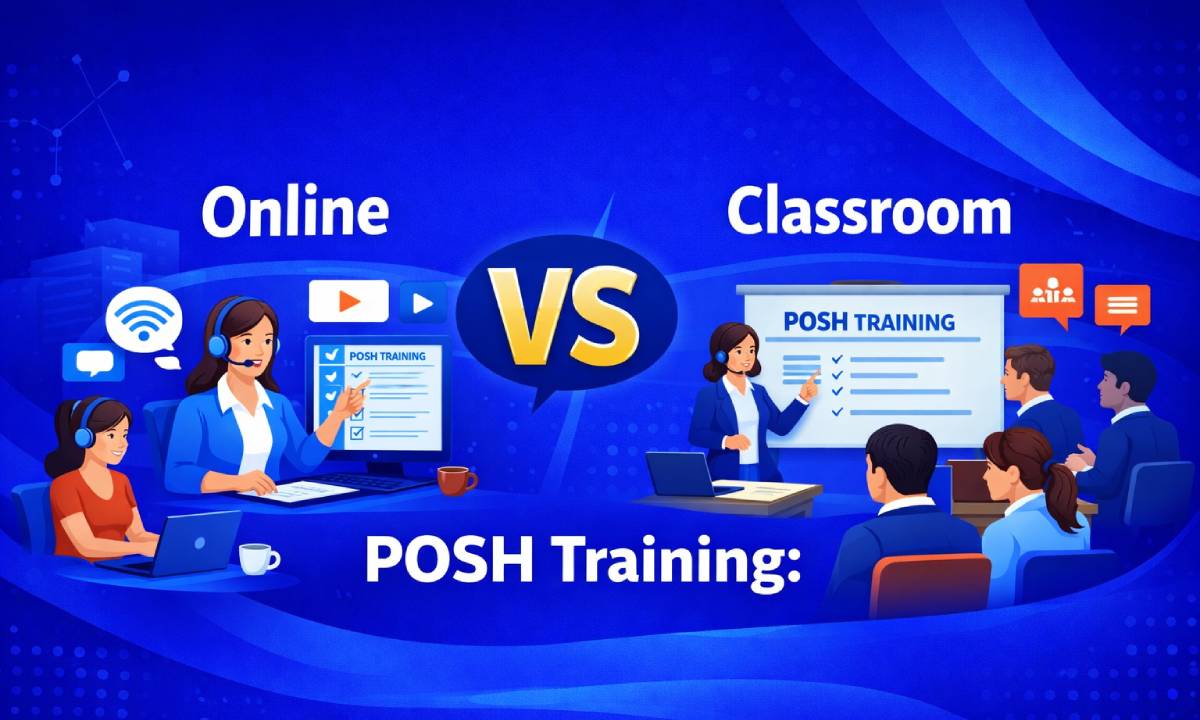
The POSH Act does not prescribe a fixed frequency, but best practices suggest conducting training at least once a year. Induction training for new employees is equally important. Organisations may choose physical workshops, virtual sessions or hybrid models. Digital training works well for remote teams but must allow interaction and assessment. Maintaining attendance records and training materials helps demonstrate compliance during audits or inspections.
Role of External Experts in POSH Training
While internal HR teams play an important role, engaging external legal experts adds credibility and depth. Experienced professionals bring legal insight, practical examples and neutrality. External trainers also help address sensitive questions objectively and ensure compliance with evolving legal standards. This approach is particularly valuable for organisations operating in regulated sectors.
Documentation and Compliance Records
Training without documentation offers little legal protection. Employers must maintain records of training sessions, attendance, materials used and feedback received. These records serve as evidence of compliance and proactive efforts in case of complaints or regulatory scrutiny. Digital documentation systems make record keeping efficient and reliable.
Common Challenges Faced During POSH Training
Resistance from employees, discomfort discussing sensitive topics and lack of leadership involvement are common challenges. Addressing these issues requires consistent communication and management support. Leadership participation sends a strong message about organisational commitment. When senior management actively supports training, employees take it seriously.
Integrating POSH Training with Workplace Policies
POSH training should align with existing HR policies, code of conduct and disciplinary procedures. Employees must know where to access policies and whom to approach for help. Organisations offering POSH Awareness Training for employees often integrate sessions with ethics training to reinforce respectful workplace behaviour across all levels.
Regional Compliance and Localised Training
Legal compliance must consider regional practices and workforce diversity. Organisations operating in metropolitan regions benefit from trainers familiar with local regulatory expectations. Companies seeking POSH Training in Delhi often prefer programmes aligned with expectations of local authorities, labour offices and corporate governance norms prevalent in the region.
Measuring Effectiveness of POSH Training
Effectiveness cannot be assumed. Employers should gather feedback, conduct assessments and review complaint data to evaluate impact. Regular updates to training content based on feedback and legal developments ensure continuous improvement. Transparent communication about improvements builds trust among employees.
Conclusion
Knowing how to conduct POSH awareness training effectively is essential for every Indian organisation. Training must be legally accurate, engaging and inclusive. When done right, it protects employees, strengthens organisational culture and reduces legal risks. A thoughtful approach to POSH training is not merely about compliance. It reflects an organisation’s values, responsibility and commitment to dignity at the workplace.