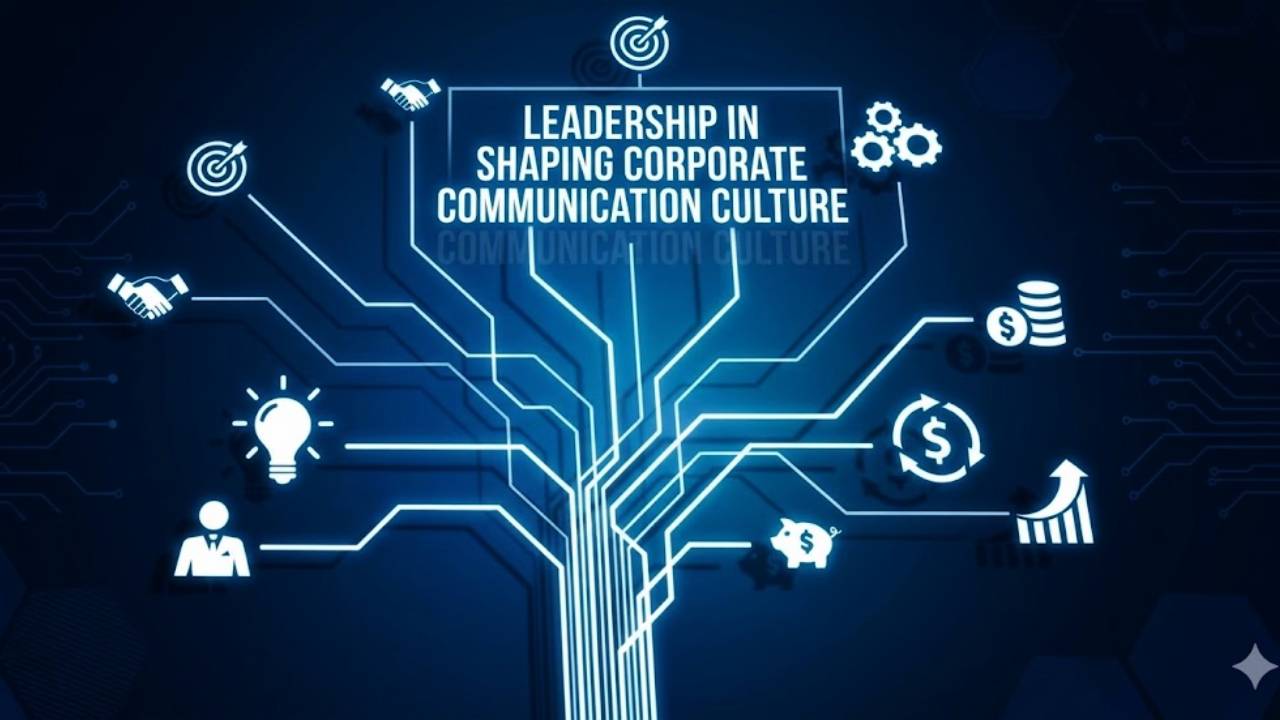

In the modern corporate landscape, organisations increasingly recognise the Effective Communication Impact on employee engagement and retention. Clear, transparent, and consistent communication shapes workplace culture, strengthens relationships, and motivates employees. Teams with strong communication practices report higher job satisfaction, improved collaboration, and a deeper commitment to organisational goals. In contrast, poor communication often leads to misunderstandings, disengagement, and high turnover.
Companies now view communication not merely as a managerial task but as a strategic tool for sustaining performance, retaining talent, and building a resilient workforce. The link between communication effectiveness and employee engagement is stronger than ever, making it a critical focus for human resource strategies.
Effective Communication Impact on Employee Engagement
Employee engagement is closely tied to how well employees understand expectations, goals, and their role within the organisation. Effective communication ensures that employees are informed, supported, and acknowledged, creating a sense of purpose and belonging.
When leaders communicate transparently, employees feel valued and are more likely to take initiative. Clear messaging about organisational priorities helps teams align their efforts with broader business objectives, resulting in higher productivity and job satisfaction. Furthermore, active listening, constructive feedback, and open dialogue foster trust, which is essential for long term engagement.
Organisations increasingly invest in communication skills training for employees to enhance engagement levels. These programs focus on improving clarity, active listening, and feedback mechanisms, empowering staff to communicate confidently across hierarchical and functional boundaries.
Strengthening Retention through Communication
Effective communication is a decisive factor in employee retention. Employees who feel understood, appreciated, and informed are more likely to remain with the organisation. Conversely, lack of clarity, inconsistent messaging, or inadequate feedback can lead to frustration and attrition. Retention improves when managers provide regular updates, recognise contributions, and create opportunities for employees to voice their opinions. Open communication channels ensure concerns are addressed promptly, reducing dissatisfaction and turnover risk. Employees who feel connected to the organisational mission are more motivated to contribute, enhancing loyalty and long term commitment.
Building Trust and Transparency
Trust is the foundation of engagement and retention. Employees trust leaders who communicate openly, share important information, and involve them in decision making processes. Transparent communication reduces uncertainty and fosters a culture of accountability. Regular team meetings, one on one check ins, and accessible leadership communication create a supportive environment. Employees are more likely to embrace change, take ownership of tasks, and collaborate effectively when trust is established through consistent communication practices.
Enhancing Team Collaboration and Performance
Effective communication improves collaboration within and across teams. Employees understand their responsibilities, can coordinate tasks efficiently, and resolve conflicts constructively. This collaborative approach strengthens relationships, encourages knowledge sharing, and enhances overall performance. Teams with strong communication dynamics are better equipped to meet deadlines, adapt to challenges, and maintain productivity. Leaders who prioritise communication set an example for transparency, active listening, and constructive feedback, creating a positive work culture that supports growth and innovation.
Role of Leadership in Communication Effectiveness
Leadership plays a crucial role in establishing effective communication norms. Leaders who articulate vision clearly, provide actionable feedback, and actively listen to team members foster engagement and trust. Effective leaders encourage open dialogue, ask for input, and create a psychologically safe environment where employees feel comfortable sharing ideas. By modelling excellent communication practices, leaders influence organisational culture positively, reinforcing the importance of clarity, empathy, and accountability.
Addressing Workplace Challenges through Communication
Communication is critical for navigating challenges such as organisational change, conflicts, or remote work dynamics. Employees who receive clear guidance and support during transitions are more adaptable and resilient. Well communicated objectives and expectations reduce ambiguity and prevent misunderstandings. Employees feel equipped to handle changes, reducing stress and frustration. This proactive approach enhances engagement and strengthens organisational loyalty, ensuring employees remain committed even during challenging periods.
Integrating Communication Skills in Employee Development
Organisations are increasingly recognising communication as a core competency for career growth. Training initiatives help employees develop verbal and non verbal skills, active listening, and presentation abilities. Structured programs improve confidence, interpersonal interactions, and relationship building. By integrating communication skills development into performance management, organisations foster a culture of continuous improvement. Companies often collaborate with corporate training companies to design tailored communication programs that address organisational needs and employee skill gaps.
Positive Impact on Organisational Culture
Effective communication shapes a positive organisational culture. Employees feel valued, understood, and empowered, promoting inclusivity, collaboration, and ethical behaviour. A culture of open communication encourages knowledge sharing, reduces workplace conflicts, and supports innovation. Organisations that prioritise communication create environments where employees are motivated to contribute, leading to higher engagement, satisfaction, and retention rates.
Conclusion
The Effective Communication Impact on employee engagement and retention cannot be overstated. Clear, transparent, and consistent communication strengthens trust, improves collaboration, and fosters a positive workplace culture. Employees who feel informed and heard are more engaged, productive, and committed to organisational success. Investing in communication training and embedding effective communication practices across all levels of the organisation ensures sustainable growth, reduced turnover, and stronger team performance. Organisations that prioritise communication position themselves as employers of choice and maintain a competitive advantage in a dynamic corporate landscape.