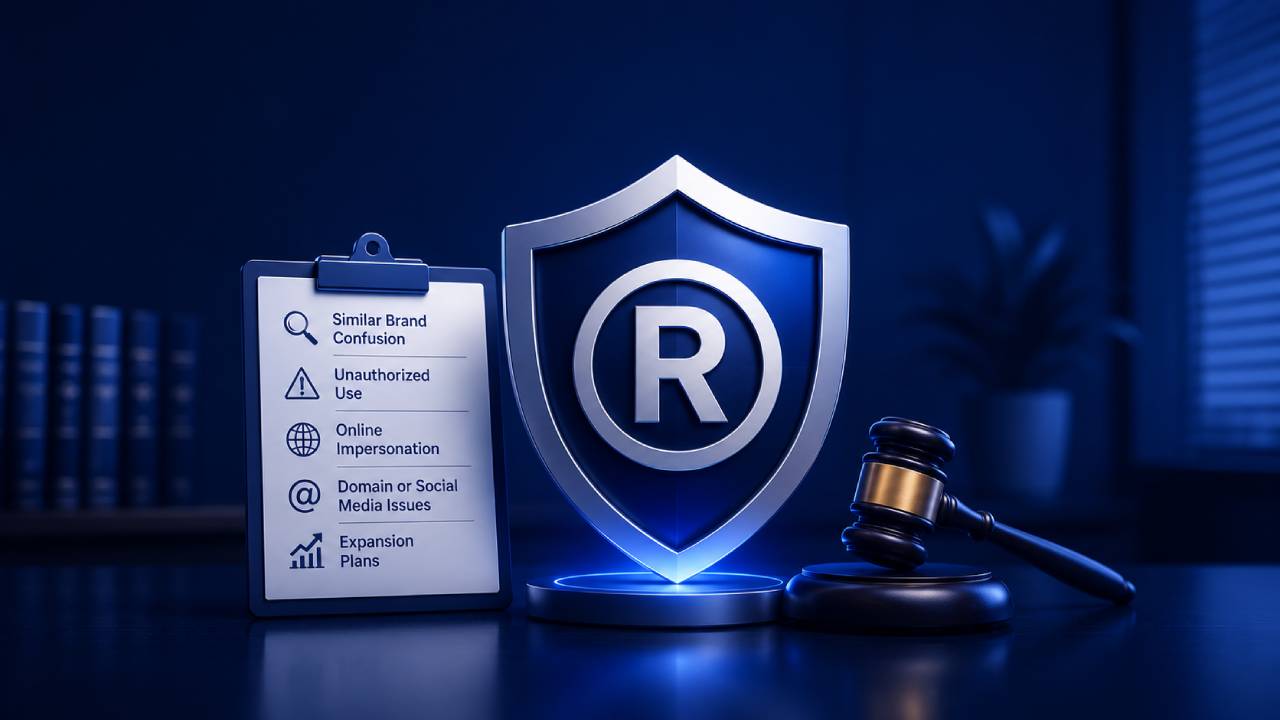

Consumer confidence plays a major role in business success, and trademarks are among the most important tools for building and maintaining this trust. The relationship between Trademark and Consumer Trust has become increasingly significant as customers rely on brand identity to make purchasing decisions. A trademark helps consumers recognise authentic products, differentiate between businesses, and associate certain qualities with a particular brand. In competitive markets, businesses invest heavily in creating strong reputations. However, without effective trademark protection, competitors and counterfeiters may misuse brand elements and weaken customer confidence. Understanding the connection between Trademark and Consumer Trust helps businesses protect their reputation, maintain customer loyalty, and strengthen their position in the marketplace.
Trademark and Consumer Trust in Modern Business Markets
Trademark and Consumer Trust are closely connected because trademarks act as identifiers of origin, quality, and reliability. A trademark allows consumers to recognise where a product or service comes from and distinguish it from alternatives. When customers repeatedly have positive experiences with a brand, the trademark becomes associated with certain expectations. These may include product quality, service standards, reliability, and business values. Over time, a trademark becomes more than a legal registration. It becomes a symbol of consumer confidence and business reputation.
How Trademarks Help Consumers Make Informed Choices?
Modern markets offer customers countless choices. With numerous brands competing for attention, consumers often depend on trademarks to identify trusted businesses. A registered trademark provides clarity by helping customers recognise genuine products and services. It reduces confusion and allows consumers to make purchasing decisions with greater confidence. Without trademark protection, similar names, logos, or branding elements may create uncertainty. Customers may struggle to identify authentic businesses, affecting both consumer experience and brand reputation.
The Role of Trademark Protection in Building Brand Reputation
Brand reputation develops over time through consistent customer experiences. Businesses invest resources in product development, marketing, and customer relationships to establish recognition. Trademark protection helps preserve this reputation by preventing unauthorised parties from using similar branding. If competitors use confusingly similar marks, consumers may associate poor quality or negative experiences with the original brand. Protecting trademarks allows businesses to maintain control over how customers perceive their brand.
Preventing Counterfeit Products and Consumer Confusion
Counterfeit products are one of the biggest threats to consumer trust. Fake products often use similar packaging, logos, or names to appear connected to established brands. When customers unknowingly purchase counterfeit goods, they may experience poor quality or safety issues. This can damage their perception of the genuine brand, even when the business is not responsible. Strong trademark protection helps businesses take action against counterfeit activities and protect customers from misleading products.
Trademark Protection as a Quality Assurance Tool
Consumers often associate trademarks with consistent standards. A recognised trademark creates expectations about the quality and reliability of products or services. Businesses work hard to build these associations through innovation, customer service, and market presence. Trademark protection ensures other parties cannot unfairly benefit from this reputation. By protecting brand identity, companies can maintain the connection between their trademark and the quality customers expect.
The Impact of Digital Platforms on Consumer Trust
Digital transformation has changed how consumers discover and purchase products. Online marketplaces, social media platforms, and websites provide businesses with greater opportunities to reach customers. However, digital platforms have also increased risks related to brand misuse. Fake accounts, copied product listings, and unauthorised sellers can create confusion among customers. In this environment, trademark protection has become essential for maintaining consumer confidence online.
Importance of Trademark Monitoring for Protecting Customer Confidence
Trademark registration provides legal rights, but continuous monitoring is necessary to maintain protection. Businesses must identify unauthorised use, similar applications, and potential infringement risks. Early detection allows companies to address issues before they significantly affect customer perception. A proactive approach helps businesses protect their reputation and maintain the trust customers have developed over time.
Addressing Trademark Infringement and Protecting Brand Value
Trademark infringement can weaken the connection between a brand and its customers. When another business uses a similar trademark, consumers may become confused about the source of products or services. Resolving such conflicts requires timely action and proper legal understanding. An experienced trademark litigation lawyer can assist businesses in protecting their rights, managing disputes, and preventing further damage to brand reputation. Effective enforcement ensures customers continue to associate the trademark with the genuine business.
The Importance of Intellectual Property Guidance
Trademark protection requires strategic planning, especially as businesses expand into new markets and digital channels. Companies must understand registration requirements, enforcement options, and potential risks. Support from intellectual property advisors helps businesses develop effective protection strategies and manage intellectual property assets efficiently. Professional guidance enables businesses to protect customer trust while aligning trademark decisions with broader commercial objectives.
Trademark Protection and Long Term Customer Loyalty
Customer loyalty is often built on familiarity and trust. A strong trademark helps customers quickly identify a business and develop confidence in its products or services. When businesses consistently deliver positive experiences, trademarks become valuable symbols of customer relationships. Protecting these symbols ensures businesses can continue strengthening loyalty without interference from unauthorised users.
The Business Value of Consumer Trust
Consumer trust has a direct impact on business growth. Customers are more likely to choose brands they recognise and believe they can rely on. A protected trademark contributes to this trust by creating consistency and preventing confusion. It supports marketing efforts, strengthens reputation, and improves customer retention. For businesses, trademark protection is not only about preventing legal problems. It is also about preserving the commercial value created through customer relationships.
Why Businesses Should Integrate Trademark Protection Into Their Strategy?
Trademark protection should be considered a core part of business planning. Companies should evaluate trademark risks while developing new products, entering new markets, and building digital presence. A strategic approach includes registering important trademarks, monitoring possible conflicts, and responding quickly to misuse. Businesses that prioritise trademark protection are better positioned to maintain consumer confidence and compete effectively.
Conclusion
The relationship between Trademark and Consumer Trust demonstrates why brand protection has become essential in modern business. Trademarks help customers identify genuine products, create expectations of quality, and build confidence in businesses. Without effective protection, counterfeit activities, infringement, and brand misuse can damage valuable customer relationships. A proactive trademark strategy allows businesses to preserve reputation, protect their identity, and maintain long term consumer loyalty. As markets become more competitive and digital, protecting trademarks is not only a legal responsibility. It is an important investment in customer trust and sustainable business growth.