
Professional Legal Document Drafting - Ensuring Compliance and Precision
Why Lex Level?
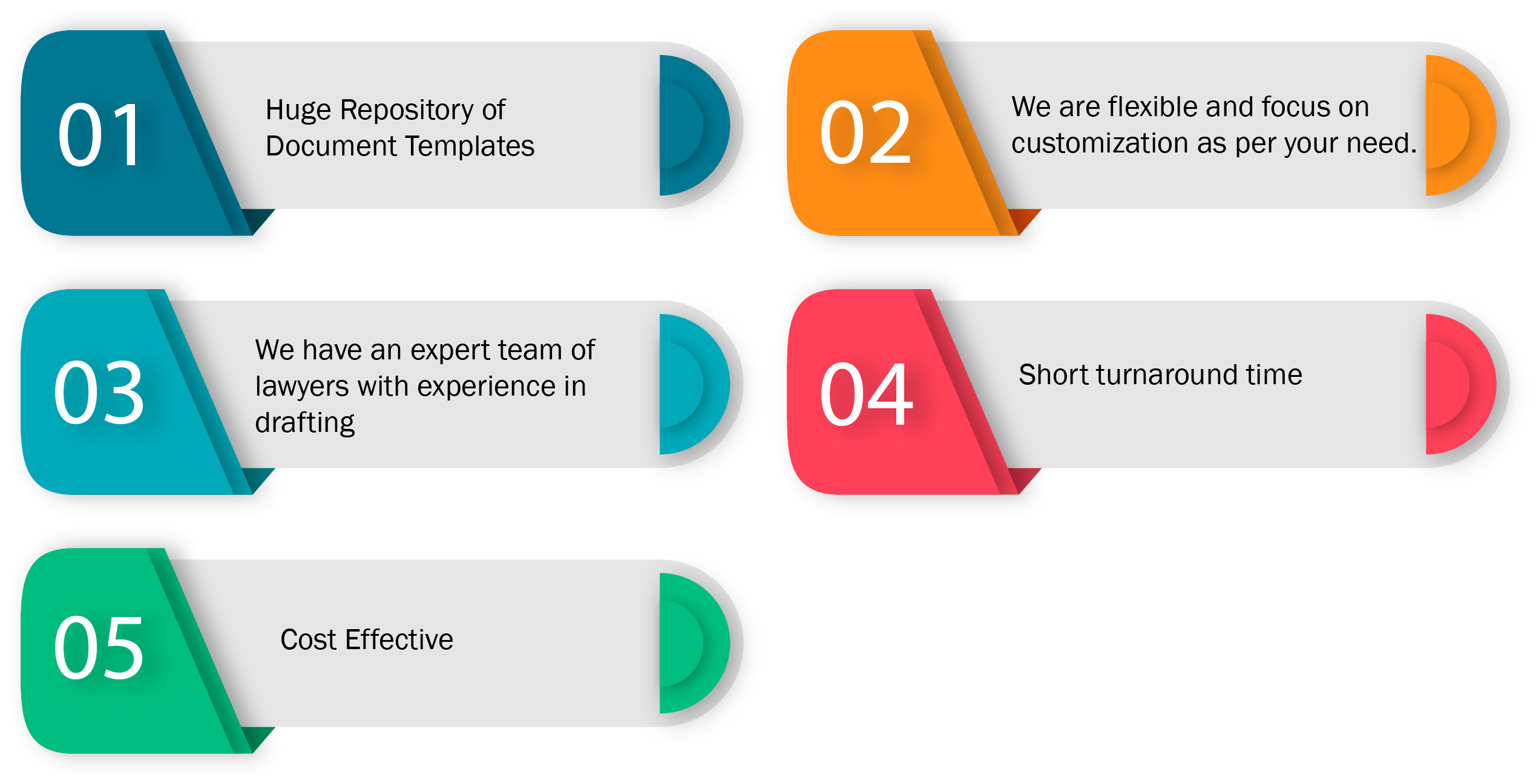
We have a track record of producing accurate, legally sound, and professionally formatted documents. Communication with you is crucial for us, to ensure that your document accurately reflects your intentions and needs.
Frequently Asked Questions (FAQs)- Legal Document Drafting
1. What is legal document drafting?
Legal document drafting is the process of preparing legally structured documents that define rights, obligations, terms, and conditions between parties. It involves creating clear and accurate legal content tailored to a specific transaction, relationship, or legal requirement while considering applicable laws and regulations.
2. What types of documents can be created through legal document drafting services?
Legal document drafting can be used for contracts, agreements, employment documents, non disclosure agreements, partnership agreements, legal notices, policies, terms and conditions, compliance documents, corporate records, and various other legal instruments depending on the purpose and requirements.
3. Why is professional legal document drafting important?
Professional legal document drafting is important because unclear or poorly written documents can create ambiguity, disputes, and compliance concerns. Well drafted documents help ensure that terms are properly documented, obligations are clearly defined, and the intended legal relationship is accurately reflected.
4. When should a business seek legal document drafting assistance?
A business should seek legal document drafting assistance when entering commercial relationships, hiring employees, engaging vendors, protecting confidential information, establishing partnerships, or creating policies and procedures. Proper documentation helps reduce misunderstandings and supports effective risk management.
5. What information is required to draft a legal document?
The required information generally includes details of the parties involved, the purpose of the document, agreed terms, obligations, timelines, payment arrangements where applicable, and any specific legal or commercial requirements. Complete information helps ensure the document reflects the intended arrangement accurately.
6. How is legal document drafting different from legal proofreading?
Legal document drafting involves creating a document from the beginning or substantially revising its content. Legal proofreading focuses on correcting grammar, formatting, spelling, consistency, and typographical issues in an existing document without fundamentally changing its legal structure or purpose.
7. Can legal document drafting help with regulatory compliance?
Yes. Legal document drafting can support compliance by incorporating required clauses, documenting responsibilities, and aligning contractual or policy provisions with applicable legal and regulatory requirements. Compliance obligations may vary depending on the jurisdiction, industry, and nature of the transaction.
8. What are the most common mistakes made when drafting legal documents?
Common mistakes include using vague language, copying generic templates, omitting key clauses, failing to define important terms, overlooking regulatory requirements, and creating inconsistent provisions. These issues can affect interpretation and may increase the likelihood of future disputes.
9. Can legal documents be customised for specific business needs?
Yes. Legal documents are often customised to reflect the particular objectives, risks, commercial arrangements, and operational requirements of the parties involved. Tailored drafting helps ensure that the document accurately addresses the circumstances and expectations of the transaction.
10. How often should legal documents be reviewed and updated?
Legal documents should be reviewed whenever there are significant changes in business operations, regulatory requirements, contractual relationships, or organisational structure. Regular reviews help ensure that documents remain accurate, relevant, and aligned with current legal and commercial needs.
11. Is legal document drafting useful for startups and small businesses?
Yes. Legal document drafting can help startups and small businesses establish clear contractual relationships, document business arrangements, protect confidential information, and create governance frameworks. Proper documentation supports business growth and helps manage legal and operational risks.
12. What should I consider when choosing a legal document drafting service?
You should consider experience with relevant legal documents, understanding of industry requirements, attention to detail, drafting methodology, and the ability to create clear and accurate legal language. A structured drafting process helps ensure documents are practical, consistent, and legally coherent.