
What is a Compliance Program?
An Internal compliance program(ICP) is an effective and appropriate system to create, review, asses and monitor company’s set of internal framework, policies and procedures that safeguards against any potential business, legal or reputational risk.Can You Answer the below questions to determine your company’s Compliance Health Check-
- Do you have a centralized Compliance Program with transparent policies and procedures?
- Does your organization comply with Industry laws and standards?
- Who is responsible in your organization for maintaining and proving compliance?
- How are employees and associated third parties held accountable to your company’s compliance policies and procedures?
- How frequently are your compliance policies and implementation program reviewed?
How can We help you safeguard yourself from Potential risks and unwarranted Financial, Legal and Reputational damages ?
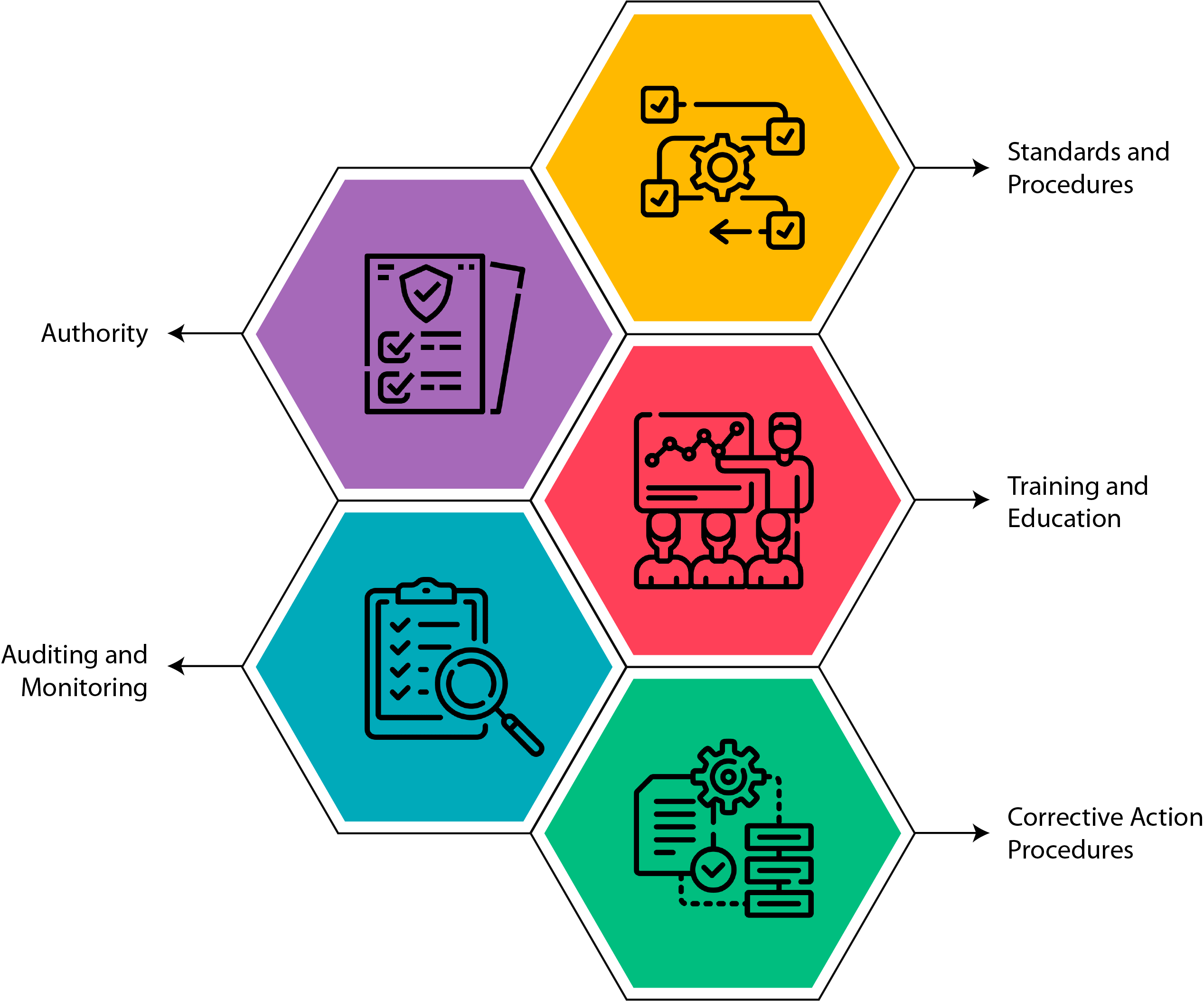
We understand that to create a unique Compliance programs for you, it should be as unique as your company. We at Lexlevel, consider your Company Size, Organizational Structure, Business strategy & vision, Business Location, Industry segments, number of employees & third parties and all the other relevant factors to curate a personalized Compliance safeguard mechanism.- Establish and adopt written policies, procedures, and standards of conduct. We establish clear written policies and procedures that describe compliance expectations and fosters uniformity within your company.
- Create program oversight. Establish clear expectations and accountability by determining and establishing a hierarchy to oversee, monitor and enforce the compliance program and serve as your go-to company “watchdog” for any questions and concerns.
- Provide staff training and education. Employees/Third party associates or business partners at every level need to understand your compliance program expectations and standards to be able to comply with them. We would Implement training programs to educate them on compliance policies, regulations, and ethical standards that clearly communicates your company’s program requirements, with an annual refresher course.
- Communication and reporting Establish a system for employees to report potential compliance violations or concerns confidentially. Encourage open communication and protect whistleblowers from retaliation. Set forth the expectation that employees should proactively communicate.
- Implement a monitoring and auditing system We will help you measure the effectiveness of your corporate compliance program by identify risks and potential gaps. To accomplish this, we would develop a system of both internal and external monitoring, including formal audits.
- Enforcement and disciplinary actions We develop a clear system for enforcing compliance policies and addressing violations, define consequences for non-compliance and ensure they are consistently applied.
- Corrective action plan When vulnerabilities or violations are identified through monitoring and auditing, we have a plan in place for consistent action to correct the issue.
- Documenting is Key We help you maintain a thorough records of compliance efforts, including policies, training materials, audit reports, and corrective actions taken in a centralized manner for easy reference and future audits.
- Third-Party Due Diligence If your business involves third-party relationships, we would help you implement due diligence processes to ensure that these partners also comply with relevant regulations and standards. Please visit our vendor Management services section.
- Incident Response Plan Our team has vast experience and expertise in developing and implementing a plan for responding to compliance breaches or incidents which includes investigation procedures, communication strategies, and steps to mitigate harm.
Don’t delay in Creating your Internal Compliance Program, Safeguard yourself now!
These internal controls – systems, business processes and documentation – all support in creating a culture of proactive compliance.Our Corporate Compliance Services
All Services
Begin Your Corporate Compliance Journey With Us
Compliance that ensures growth.
FAQs for Internal Compliance Program:
It is the set of policies, procedures, and practices of a firm to ensure compliance with legal requirements, industry standards, and internal guidelines. An Internal Compliance Program is intended for risk reduction and to prevent violation of rules and codes of conduct.
It is important because it allows organizations to avoid legal sanctions, financial losses, and reputational damage. An effective compliance program develops a culture of integrity, adherence to the rule of law, and transparency and accountability within the organization.
The standard components are:
Compliance policies:
These are explicit, all-encompassing rules that employees have to abide by.
Training and education:
Recurring training for employees to make them aware of the rules on compliance and the code of ethics.
Monitoring and auditing:
Continual review of the compliance process for any breach or violation.
Reporting and enforcement:
Procedures for reporting violations and the remedial actions required in such situations.
This is through legal and regulatory risks unique to an organization that must first be identified, and based on this identification, policies and procedures addressing those risks must then be created or revised. The staff undergo training sessions while monitoring systems that check on whether compliance exists within the systems implemented. In addition, periodic reviews and audits help the program run effectively.
Absence of the internal compliance program may result in legal exposures relating to the issue of fines in regards to compliance to regulations. Eventually, such leads to ineffective performance, breach, and a potential missed window in improving something, which is quite long to undermine mutual trust within customers, investors, and any stakeholder dealing with the corporation in question.
Technology can assist with compliance monitoring, document management, reporting, audit tracking, policy distribution, and regulatory updates. Digital tools help organisations streamline compliance processes, improve record keeping, and maintain greater visibility over ongoing compliance activities and obligations.
Common challenges include insufficient employee awareness, inadequate documentation, inconsistent policy implementation, changing regulatory requirements, limited monitoring mechanisms, and lack of management oversight. Addressing these challenges requires continuous review, communication, and commitment to compliance objectives across the organisation.
Internal audits help evaluate whether compliance policies, procedures, and controls are functioning effectively. Audits can identify weaknesses, assess regulatory adherence, verify documentation, and provide recommendations for strengthening compliance processes and reducing organisational risk.
Employee training helps individuals understand applicable policies, legal obligations, reporting procedures, and ethical standards. Regular training programmes encourage awareness, promote consistent compliance practices, and help employees recognise and address potential compliance issues within their roles.
Responsibility for managing an Internal Compliance Program typically rests with senior management, compliance officers, designated compliance teams, or other authorised personnel. Effective oversight requires clear accountability, ongoing monitoring, and support from leadership to ensure compliance objectives are consistently achieved.
An Internal Compliance Program should be reviewed periodically to ensure it remains aligned with current laws, regulations, business operations, and organisational risks. Regular assessments help identify compliance gaps, improve internal controls, and strengthen the effectiveness of the overall compliance framework.
An Internal Compliance Program can benefit organisations of all sizes, including startups, private companies, public companies, and non profit entities. Businesses operating in regulated sectors or managing complex operational processes often implement compliance programmes to support legal obligations, governance standards, and risk management objectives.