
In today’s digital first economy, Brand Reputation has become one of the most valuable assets for any business operating in online commerce. Customers form opinions within seconds based on reviews, social media presence, and marketplace visibility. A single negative experience or misleading listing can quickly damage trust and reduce long term customer loyalty. Understanding Brand Reputation in the age of online commerce is essential for businesses of all sizes. With the rise of e-commerce platforms, social networks, and global marketplaces, reputation is no longer built only through direct customer interaction. It is shaped continuously across digital touchpoints, making protection more complex and more important than ever.
Brand Reputation and Its Growing Importance in Online Commerce
Brand Reputation refers to the overall perception customers and the public have about a business. It is shaped by product quality, customer experience, digital presence, and third party feedback. In online commerce, reputation is formed much faster and spreads much wider compared to traditional business models. Reviews, ratings, and social media discussions influence purchasing decisions instantly. A strong reputation increases customer trust, improves conversion rates, and strengthens competitive advantage. On the other hand, even minor reputational issues can significantly impact sales and long term growth.
Why Online Commerce Has Increased Reputation Risks?
The digital marketplace operates at high speed and high visibility. This environment naturally increases risks related to reputation management. Customers can share feedback instantly, and negative experiences can spread rapidly across platforms. Competitors and third parties can also influence perception through misleading content or fake listings. Additionally, global reach means businesses are exposed to multiple markets at once, each with different consumer expectations and regulatory environments. This complexity increases vulnerability to reputation related challenges.
Role of Customer Reviews in Shaping Brand Perception
Customer reviews are one of the most influential factors in online Brand Reputation. Positive reviews build trust, while negative feedback can discourage potential buyers. In many cases, customers rely on reviews more than official brand communication. This makes review management a critical part of reputation protection. Unfair or fake reviews can also harm businesses. Monitoring and addressing such content quickly is essential to maintain credibility and customer confidence.
Impact of Social Media on Brand Image
Social media platforms play a central role in shaping Brand Reputation. Brands are constantly evaluated based on engagement, responsiveness, and public perception. A single viral post, whether positive or negative, can significantly influence reputation. This makes social media both an opportunity and a risk for online businesses. Impersonation accounts and misleading content further complicate reputation management. Continuous monitoring is necessary to ensure authenticity across all platforms.
E Commerce Platforms and Reputation Challenges
Online marketplaces are a major driver of modern commerce. However, they also present significant challenges for Brand Reputation. Fake product listings, counterfeit goods, and unauthorised sellers can damage customer trust. Buyers may associate poor quality products with the original brand, even when they are not genuine. Maintaining control over product listings and ensuring accurate representation is essential for protecting reputation in these environments.
Importance of Consistent Digital Identity
Consistency across digital platforms is essential for maintaining strong Brand Reputation. Inconsistent messaging, visuals, or branding can create confusion among customers. A unified brand identity helps customers easily recognise authentic products and services. It also strengthens trust and reinforces brand credibility. Consistency across websites, social media, and marketplaces ensures a stable and reliable brand presence.
Legal Protection as a Foundation for Reputation Management
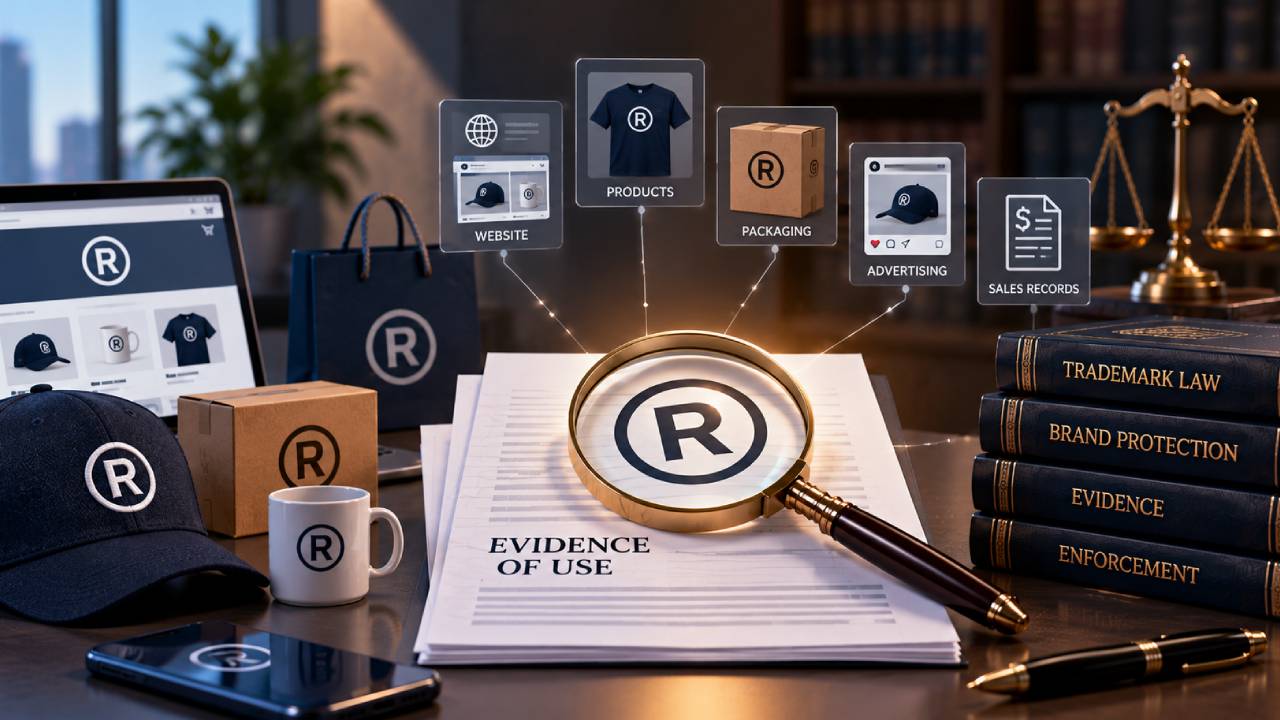
Legal protection plays a key role in safeguarding Brand Reputation. Trademark rights help prevent misuse of brand identity and reduce the risk of impersonation. Without legal protection, businesses may struggle to take action against counterfeiters or unauthorised sellers. This can lead to long term reputational damage. Strong intellectual property protection ensures businesses maintain control over how their brand is used and represented.
Managing Online Brand Misuse and Infringement
Online misuse of brand identity is one of the most common threats to reputation. This includes fake websites, unauthorised product listings, and misleading advertisements. Such misuse can confuse customers and damage trust in the original brand. Early detection and enforcement are critical to preventing widespread impact. Businesses must actively monitor digital platforms to identify and address infringement quickly.
Role of Trust and Transparency in Reputation Building
Trust is the foundation of Brand Reputation. Customers are more likely to remain loyal to brands they perceive as transparent and reliable. Clear communication, honest marketing, and consistent service quality contribute to stronger reputation over time. In online commerce, transparency in product information, pricing, and customer support plays a major role in shaping customer perception.
Crisis Management in Digital Reputation Challenges
Reputation crises can arise suddenly in online commerce. Negative reviews, viral complaints, or product issues can escalate quickly. Having a structured response strategy is essential. Businesses must respond promptly, address concerns transparently, and take corrective action where necessary. Effective crisis management helps limit damage and restore customer confidence over time.
Importance of Monitoring Digital Mentions and Feedback
Continuous monitoring is essential for maintaining strong Brand Reputation. Businesses must track mentions across social media, review platforms, and marketplaces. Early detection of negative feedback or misinformation allows faster response. This reduces long term reputational impact. Monitoring tools and manual oversight together create a strong reputation management system.
Legal Support in Protecting Brand Reputation
Legal expertise plays an important role in addressing reputation related challenges, especially when brand misuse or infringement is involved. Engaging a trademark registration lawyer in India helps businesses secure legal ownership of their brand and take action against unauthorised use. This strengthens overall reputation protection. Legal professionals also assist in resolving disputes and ensuring compliance with intellectual property laws.
Strategic Role of Intellectual Property Advisory
As businesses expand digitally, reputation management becomes closely linked with intellectual property protection. Strong legal strategy ensures consistent brand control across markets. Working with intellectual property rights consultants helps businesses manage trademark portfolios, monitor risks, and respond effectively to online misuse. This support ensures long term protection of both brand identity and reputation in competitive digital environments.
Conclusion
In the age of online commerce, Brand Reputation is more than a perception metric. It is a core business asset that directly influences trust, sales, and long term growth. With the rise of digital platforms, reputation risks have increased significantly. Businesses must adopt a proactive approach that includes monitoring, legal protection, consistent branding, and effective communication. Protecting reputation is not a one time task. It requires continuous attention and strategic planning. Businesses that invest in strong reputation management systems are better positioned to succeed in the competitive online marketplace.