
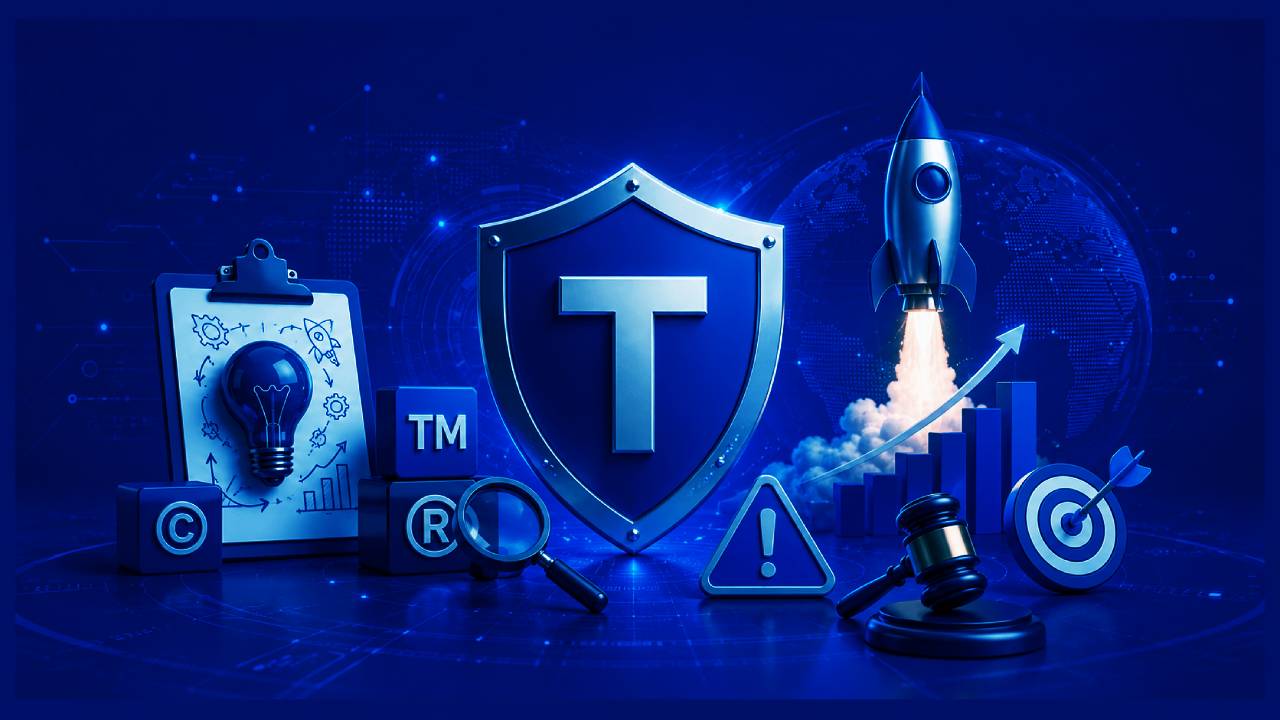
Building a successful startup involves countless decisions related to product development, customer acquisition, funding, and expansion. Amid these priorities, intellectual property protection often receives less attention than it deserves. Many founders focus on growth and market penetration while overlooking critical legal risks associated with their brand. As a result, trademark challenges for startups frequently emerge during periods of rapid growth, creating obstacles that could have been prevented through early planning. Trademark protection is not merely a legal formality. It is a strategic business asset that helps startups secure their identity, protect their reputation, and support long term expansion. In today’s highly competitive business environment, startups face increasing pressure to establish unique brands. Without proper trademark protection, years of effort and investment can become vulnerable to disputes, infringement claims, and costly rebranding exercises.
Understanding Trademark Challenges for Startups
The most common trademark challenges for startups arise because many businesses underestimate the importance of intellectual property during their early stages. Founders often assume trademark registration can wait until revenue grows or expansion begins. Unfortunately, delaying trademark protection can expose a business to significant risks. A trademark protects names, logos, slogans, product identifiers, and other distinctive elements associated with a brand. These assets help customers identify a business and distinguish it from competitors. When startups fail to secure trademark rights early, they may discover another company already owns similar rights. Such situations can disrupt growth plans and create expensive legal complications.
Choosing a Brand Name Without Proper Clearance
One of the biggest mistakes startups make involves selecting a brand name without conducting a comprehensive trademark search. Founders frequently choose names based on creativity, domain availability, or marketing appeal. However, a name may already be registered or used by another business within a similar industry. If a startup invests heavily in branding before conducting legal checks, it may later face objections, infringement claims, or demands to cease using the name. A proper trademark search helps identify potential conflicts before significant resources are committed.
Assuming Company Registration Provides Trademark Protection
Many entrepreneurs mistakenly believe company registration automatically grants trademark rights. Registering a business entity and registering a trademark serve different legal purposes. Company registration establishes a legal business structure, while trademark registration protects brand identity. A startup may legally operate under a registered company name while another organisation holds trademark rights over a similar mark. This misunderstanding often leads to unexpected legal disputes during later growth stages.
Delaying Trademark Registration
Many startups prioritise immediate operational needs over intellectual property protection. Budget limitations often contribute to this decision. However, delayed registration creates opportunities for competitors or third parties to secure similar trademarks first. Once another party obtains registration, recovering rights can become difficult, time consuming, and expensive. Early registration helps establish ownership and reduces uncertainty as the business expands.
Expanding Into New Markets Without Trademark Planning
Growth often involves entering new cities, states, or international markets. A trademark available in one region may already belong to another business elsewhere. Startups expanding without conducting market specific trademark assessments risk encountering legal barriers. Expansion plans can stall if trademark conflicts emerge after investments have already been made. Strategic trademark planning supports smoother growth and reduces expansion related risks.
Ignoring Industry Specific Trademark Classes
Trademark registration depends on selecting appropriate classes based on products and services offered. Many startups overlook this technical aspect and register trademarks under incomplete or incorrect classifications. Insufficient protection may leave certain products, services, or future business activities exposed. Businesses should carefully evaluate current and anticipated operations when developing trademark strategies. Comprehensive protection supports long term flexibility and growth.
Underestimating the Value of Brand Assets
During early growth stages, startups often focus on tangible assets such as equipment, technology, and infrastructure. Brand value may seem less important initially. However, as customer recognition grows, trademarks become increasingly valuable. A strong brand can influence purchasing decisions, attract investors, and enhance company valuation. Failing to protect these assets can undermine years of brand building efforts.
Digital Brand Protection Challenges
Modern startups operate across multiple digital platforms. Websites, social media accounts, mobile applications, ecommerce channels, and online advertising all contribute to brand visibility. Unfortunately, digital growth also increases exposure to infringement risks. Unauthorised parties may register similar domain names, imitate branding, or create misleading online profiles. Trademark registration strengthens enforcement options and supports digital brand protection. Startups should view online protection as an essential component of their overall intellectual property strategy.
Overlooking International Trademark Considerations
Many startups begin with local ambitions but later pursue international opportunities. Unfortunately, trademark rights are generally territorial. Protection in one country does not automatically extend elsewhere. Businesses planning global growth should consider international trademark strategies early in their development. Failure to secure international rights may result in conflicts when entering foreign markets. Early preparation often reduces future legal and operational challenges.
Lack of Trademark Monitoring
Obtaining trademark registration is only part of the process. Businesses must also monitor the marketplace for potentially conflicting applications and infringement activities. Many startups assume registration alone guarantees protection. However, ongoing monitoring helps identify threats before they become serious problems. Regular reviews support enforcement efforts and preserve trademark strength. Protecting a brand requires continuous attention rather than a one time legal action.
Inadequate Legal Guidance
Founders often attempt to manage trademark issues independently to reduce costs. While this approach may appear practical initially, it can create expensive problems later. Professional legal guidance helps startups identify risks, navigate registration requirements, and develop effective protection strategies. Many growing businesses consult a top trademark registration lawyer during early stages to ensure brand assets receive proper protection from the beginning. Early legal support often prevents costly disputes and procedural errors.
Trademark Disputes and Business Disruption
Trademark conflicts can significantly disrupt startup operations. Disputes may require management attention, legal resources, and financial investment. These distractions can slow growth, affect investor confidence, and create uncertainty within the organisation. In severe cases, businesses may need to abandon established branding entirely. The costs associated with disputes often exceed the expenses involved in preventive trademark registration. Protective action remains far more efficient than reactive solutions.
Investor Expectations and Trademark Protection
Investors increasingly examine intellectual property portfolios during due diligence processes. A protected brand demonstrates strategic planning and risk management. It signals maturity and reduces uncertainty regarding future operations. Startups with strong trademark protection often appear more attractive to potential investors, partners, and acquirers. Intellectual property assets contribute directly to overall business valuation. Trademark registration therefore supports both legal protection and commercial credibility.
The Growing Importance of Enforcement
Trademark ownership provides legal rights, but those rights must be enforced when necessary. Startups should understand how infringement can affect customer trust and brand reputation. Failure to address unauthorised use may weaken trademark strength over time. When disputes arise, businesses often require support from an experienced intellectual property litigation lawyer to protect their interests and maintain market position. Strong enforcement practices help preserve the value created through branding efforts.
Building a Long Term Trademark Strategy
Successful startups treat trademark protection as an ongoing business function rather than a one time legal task. A long term strategy should align with future growth objectives, product development plans, geographic expansion, and digital presence. Regular trademark reviews help businesses adapt protection measures as operations evolve. Strategic planning enables organisations to identify opportunities while minimising legal risks. As startups mature, trademark portfolios often become increasingly valuable business assets.
Why Early Action Creates Competitive Advantage
Businesses that address trademark issues early enjoy greater flexibility and security during expansion. Early protection reduces legal uncertainty, strengthens brand ownership, and supports market differentiation. It also allows founders to focus on growth rather than responding to preventable disputes. In competitive markets, strong trademark protection can become a significant source of advantage. Startups that invest in intellectual property early are often better prepared for future opportunities and challenges.
Conclusion
The most significant trademark challenges for startups often arise not because of complex legal issues but because intellectual property protection receives insufficient attention during early growth stages. Delayed registration, inadequate searches, weak monitoring, and poor strategic planning can expose businesses to substantial risks. A trademark is far more than a legal document. It protects brand identity, supports customer trust, enhances business value, and strengthens market position. As startups scale operations and attract greater visibility, the importance of trademark protection continues to grow. By prioritising trademark strategy from the outset, startups can avoid costly mistakes, protect valuable assets, and create a stronger foundation for sustainable long term success.