
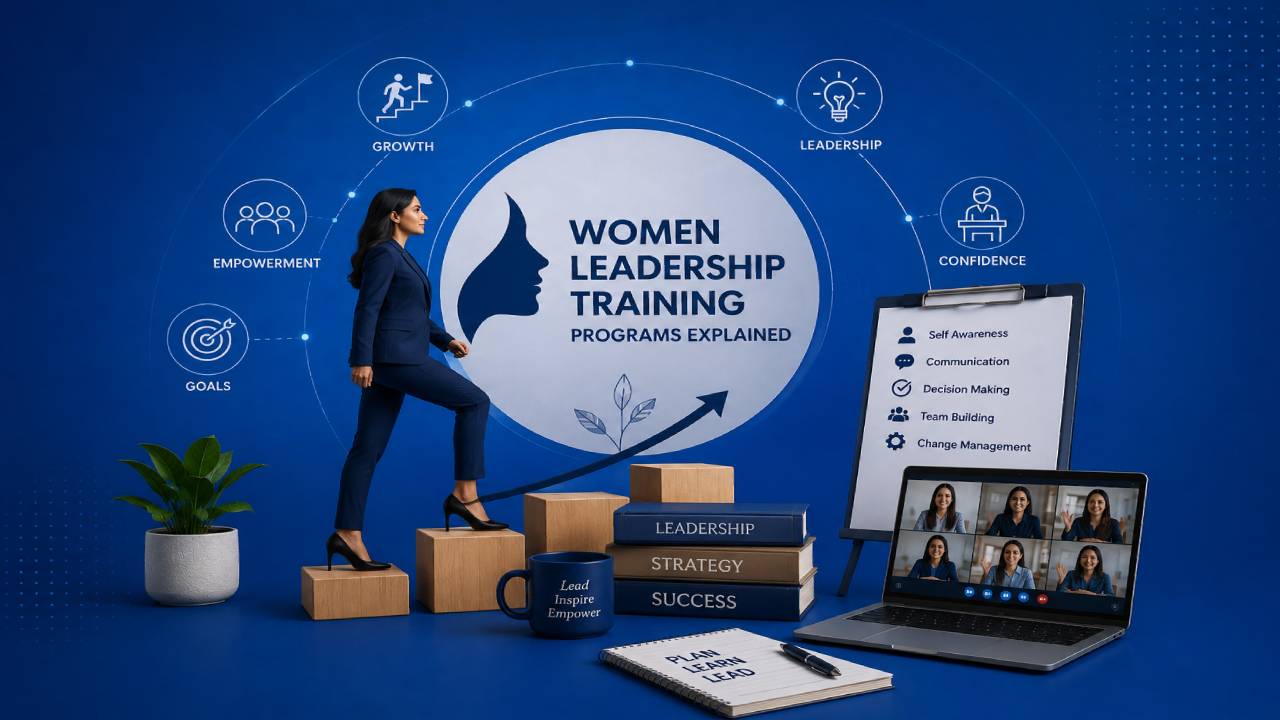
In today’s evolving corporate landscape, organisations are placing increasing emphasis on diversity, inclusion and equal opportunity. One of the most impactful ways to achieve these goals is through Women Leadership Training Programs, which are designed to support and empower women professionals in leadership roles. These programmes aim to address unique workplace challenges faced by women while strengthening their leadership capabilities.
Women continue to remain underrepresented in senior management positions across industries. Leadership training programmes tailored for women help bridge this gap by building confidence, enhancing decision making skills and fostering professional growth. Organisations which invest in such initiatives not only promote gender equality but also benefit from diverse leadership perspectives.
This article explains the structure, importance and benefits of women leadership training programmes and how they contribute to organisational success.
Women Leadership Training Programs: Meaning and purpose
Women leadership training programmes are structured initiatives designed to develop leadership skills among women professionals across different levels of an organisation. These programmes focus on building competencies required to succeed in managerial and executive roles. The primary objective of such programmes is to empower women with the confidence and tools needed to navigate workplace challenges. These challenges may include limited access to leadership opportunities, unconscious bias and difficulties in career progression.
Leadership training for women also emphasises creating strong professional networks. Participants gain opportunities to connect with peers, mentors and industry leaders, which supports long term career development. Organisations increasingly recognise women leadership programmes as essential components of talent development strategies. By nurturing leadership potential among women, companies strengthen their leadership pipeline and improve organisational performance.
Importance of women leadership development in organisations
The importance of women leadership development extends beyond individual career growth. It plays a significant role in shaping organisational culture and business outcomes. Research consistently shows organisations with diverse leadership teams perform better in terms of innovation and decision making. Women leaders bring different perspectives which contribute to balanced and effective business strategies.
In India, organisations are actively working towards increasing female representation in leadership roles. Women leadership training programmes support this objective by preparing employees for higher responsibilities. These programmes also enhance employee engagement. Women professionals who receive leadership training often feel more valued and motivated, leading to improved retention rates. Furthermore, leadership development initiatives help organisations build inclusive workplaces where employees feel respected and supported.
Key challenges addressed by women leadership training
Women professionals often encounter specific challenges in the workplace which can affect career progression. Leadership training programmes address these challenges through targeted learning modules. One common challenge involves confidence and self perception. Many women may hesitate to take on leadership roles due to lack of confidence or fear of failure. Training programmes focus on building self assurance and encouraging proactive leadership behaviour.
Another challenge involves workplace bias. Unconscious bias can influence hiring, promotion and performance evaluation processes. Leadership training helps participants recognise and respond to such situations effectively. Work life balance also remains a significant concern for many women professionals. Training programmes provide strategies for managing responsibilities while maintaining career growth. Networking barriers can also limit professional advancement. Women leadership programmes create opportunities for participants to build strong professional connections and access mentorship support.
Core components of women leadership training programmes
Effective women leadership training programmes include several essential components designed to build comprehensive leadership capability. Leadership skill development forms the foundation of these programmes. Participants learn about decision making, strategic thinking, team management and organisational leadership. Communication skills play a crucial role. Training focuses on improving presentation ability, negotiation skills and interpersonal communication. These skills enable participants to express ideas confidently and influence stakeholders effectively. Emotional intelligence is another important component. Leaders must understand team dynamics, manage stress and build positive workplace relationships. Mentorship and coaching often form part of leadership programmes. Experienced leaders provide guidance and feedback, helping participants navigate career challenges. Many organisations integrate such initiatives within broader corporate leadership training programs to ensure leadership development aligns with overall business strategy.
Benefits of women leadership training programmes
Women leadership training programmes provide several benefits for both individuals and organisations. For individuals, these programmes enhance confidence and leadership capability. Participants gain practical skills which support career advancement and professional growth. For organisations, leadership training improves workforce diversity and inclusion. Companies benefit from varied perspectives, which lead to better decision making and innovation. Employee retention also improves when organisations invest in leadership development. Women professionals are more likely to remain with companies which support their growth and provide equal opportunities. Leadership training programmes also strengthen organisational culture. Inclusive leadership promotes collaboration, respect and mutual understanding among employees. In addition, organisations build strong internal leadership pipelines by preparing women employees for senior roles.
Role of mentorship and networking
Mentorship and networking play a vital role in women leadership development. Access to experienced mentors provides guidance, support and valuable insights into leadership challenges. Mentors help participants develop confidence, refine leadership skills and navigate career decisions. This relationship also encourages continuous learning and professional development. Networking opportunities allow participants to connect with peers and industry professionals. These connections can lead to new opportunities, collaborations and knowledge sharing. Leadership programmes often include structured networking sessions to encourage interaction and relationship building. Such initiatives create supportive communities which foster long term growth.
Designing effective women leadership programmes
Organisations must design leadership programmes which address specific needs of women professionals. Training content should reflect organisational goals, industry trends and participant requirements. Customisation plays an important role in programme effectiveness. Organisations should assess leadership skill gaps and design training modules accordingly. Training methods should include practical exercises, case studies and interactive sessions. These approaches help participants apply learning in real workplace scenarios. Continuous learning is also essential. Leadership development should not be limited to one time programmes. Ongoing coaching, workshops and mentoring ensure sustained growth. Organisations often collaborate with experienced corporate training agencies to design and deliver structured leadership programmes tailored to their workforce.
Future of women leadership training in India
The future of women leadership training in India looks promising as organisations continue to prioritise diversity and inclusion. Leadership programmes will increasingly focus on digital learning platforms and flexible training methods. Technology will play a key role in delivering training content through virtual sessions and personalised learning experiences. This approach allows greater accessibility and scalability. Organisations will also emphasise inclusive leadership, ensuring leaders can manage diverse teams effectively. Women leadership programmes will continue evolving to address emerging workplace challenges. As more companies recognise the value of diverse leadership, investment in women leadership training will continue to grow.
Conclusion
Women leadership training programmes represent an important step towards building inclusive and effective organisations. By focusing on skill development, confidence building and mentorship, these programmes empower women professionals to succeed in leadership roles. Women Leadership Training Programs not only support individual growth but also contribute to organisational success by promoting diversity and innovation. Companies which invest in such initiatives create strong leadership pipelines and foster a culture of equality and opportunity. As the corporate landscape continues to evolve, leadership development for women will remain a critical component of sustainable business growth.