
Effective Legal Research - Strategies for Analyzing and Interpreting Legal Information
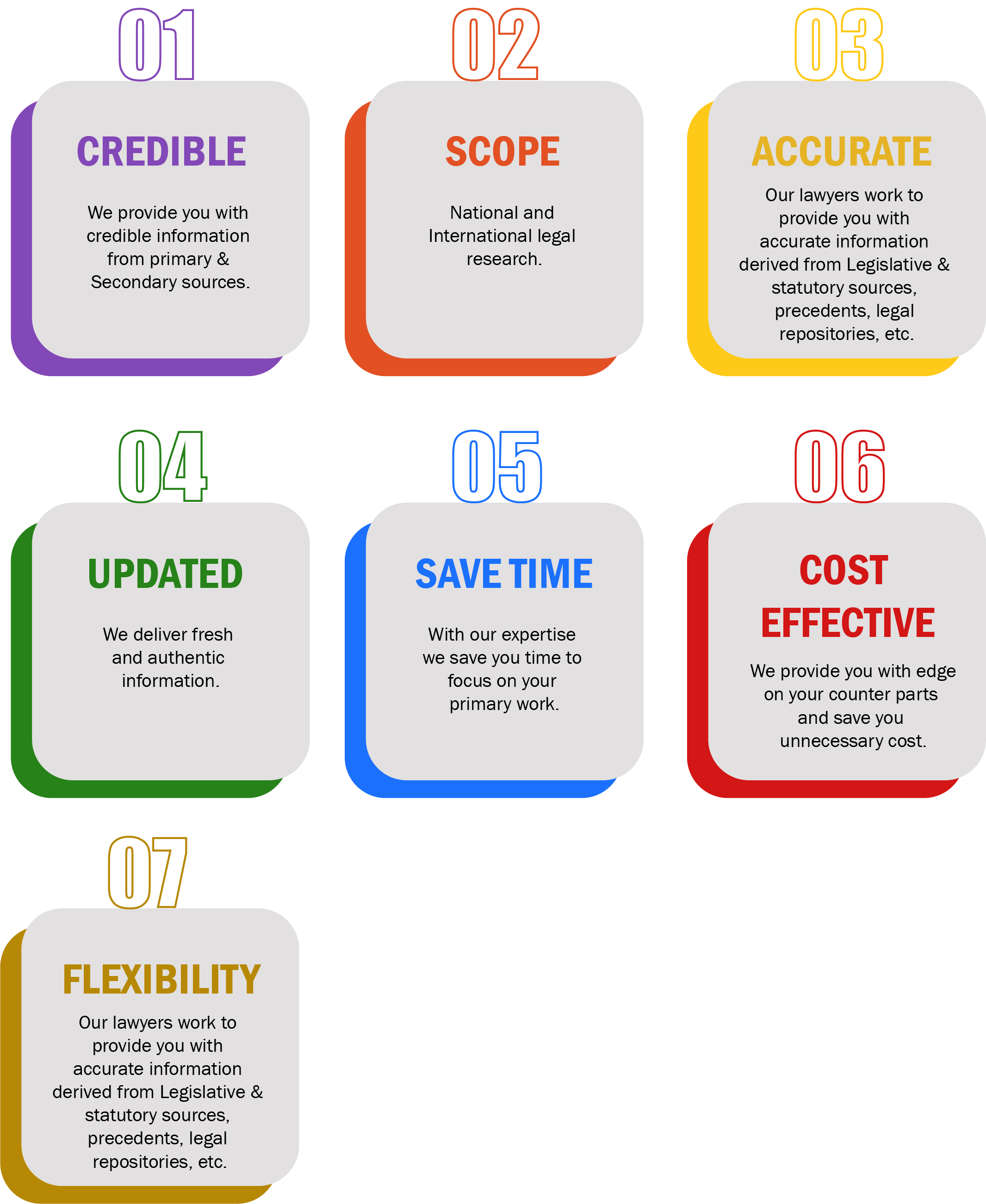
Why choose Lex level?
Frequently Asked Questions for Legal Research -
1. What is legal research, and why is it important?
Legal research is the process of identifying, analysing, and interpreting laws, regulations, judicial decisions, and legal authorities relevant to a specific issue. It is important because it helps individuals and businesses understand legal obligations, assess risks, support decision making, and ensure actions align with applicable legal requirements.
2. When should a business seek legal research services?
A business should consider legal research when evaluating regulatory requirements, entering new markets, drafting policies, assessing legal risks, responding to disputes, or making strategic decisions. Research helps clarify applicable laws and provides a foundation for informed business planning and compliance management.
3. What types of legal issues can be addressed through legal research?
Legal research can address a wide range of issues, including corporate law, employment matters, intellectual property, contract disputes, regulatory compliance, data protection, commercial transactions, and industry specific legal requirements. The scope depends on the objectives and legal questions involved.
4. What sources are commonly used during legal research?
Legal research typically relies on statutes, regulations, case law, government notifications, regulatory guidance, legal commentaries, academic publications, and authoritative legal databases. Using reliable and current sources helps ensure the research findings are accurate and relevant to the issue being examined.
5. How does legal research help with regulatory compliance?
Legal research helps identify applicable laws, regulatory obligations, reporting requirements, and compliance standards affecting an organisation. By understanding these requirements, businesses can develop appropriate policies, procedures, and controls to reduce compliance risks and support lawful operations.
6. Can legal research help before signing a contract or business agreement?
Yes. Legal research can help parties understand relevant laws affecting a proposed transaction, identify industry specific requirements, and assess potential legal risks. This information can support contract review, negotiations, and decision making before entering into legally binding agreements.
7. What information is usually required to begin a legal research project?
The information required generally includes the legal issue, business context, relevant documents, specific questions to be addressed, applicable jurisdictions, and any regulatory concerns. Providing complete information helps ensure the research is focused, accurate, and tailored to the matter.
8. How is legal research different from legal advice?
Legal research involves gathering, analysing, and presenting relevant legal information and authorities. Legal advice involves applying that information to a specific situation and recommending a course of action. The distinction may vary depending on professional regulations and jurisdictional requirements.
9. What are the common mistakes people make when conducting legal research?
Common mistakes include relying on outdated laws, using unofficial sources, overlooking recent judicial decisions, ignoring jurisdiction specific requirements, and failing to verify legal interpretations. Comprehensive research requires reviewing multiple authoritative sources and considering the latest legal developments.
10. Can legal research be used for litigation and dispute resolution matters?
Yes. Legal research is often used to examine relevant statutes, judicial precedents, procedural rules, and legal principles that may affect a dispute. Research can help parties understand legal issues, evaluate arguments, and prepare documentation related to dispute resolution processes.
11. How do legal requirements differ across jurisdictions?
Legal requirements can vary significantly depending on the country, state, industry, and regulatory framework involved. Legal research helps identify jurisdiction specific laws and obligations, ensuring that conclusions are based on the rules applicable to the particular matter under consideration.
12. What should businesses look for in a legal research service provider?
Businesses should look for experience in legal analysis, familiarity with relevant practice areas, access to authoritative legal resources, attention to detail, and the ability to present findings clearly. A structured research approach helps ensure accuracy, reliability, and practical usefulness of the research outcome.